
These are the questions that come up most often about the plastic manufacturing sector, answered as of 2026. The industry has changed substantially in a short period, driven less by technology than by regulation and by where production capacity sits.
What Is the Plastic Manufacturing Sector Focused On Now?
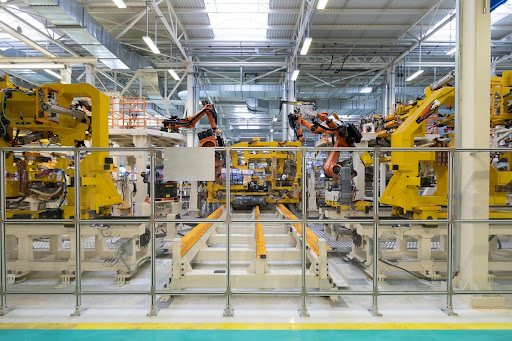
Three things dominate: recycled content, because regulation increasingly requires it; design for recyclability, which means mono-material products rather than bonded assemblies; and automation, as factories invest in process monitoring and robotic handling to hold quality at volume.
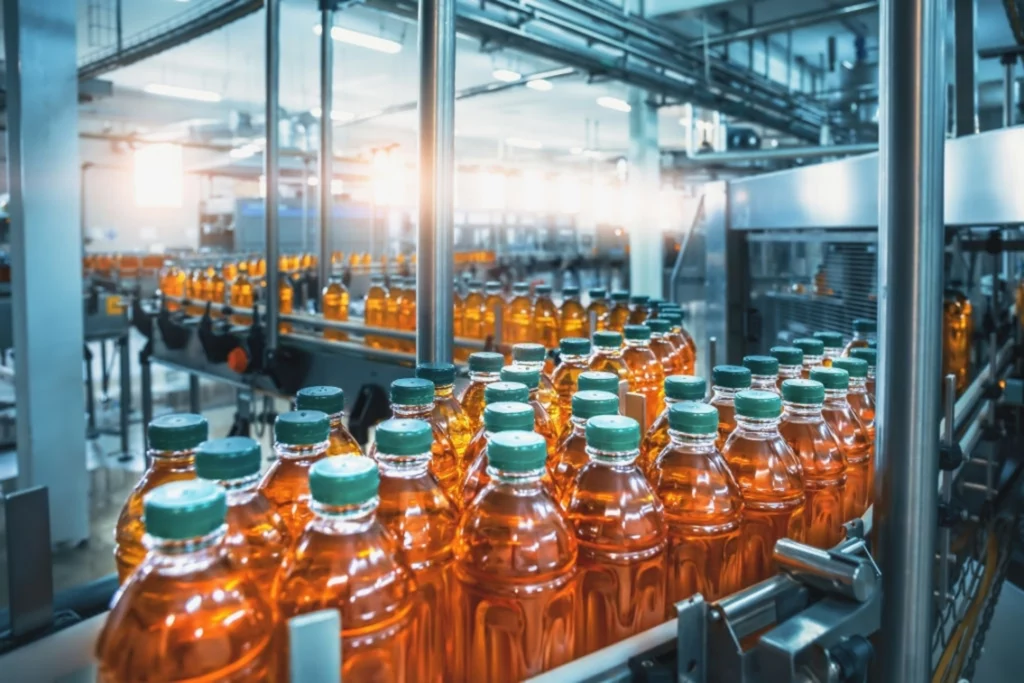
Global plastics production reached 430.9 million tonnes in 2024, up 4.1% (Plastics Europe), with Asia producing 57.2% and China alone 34.5%. Circular plastics, from recycled and bio-based sources, passed 10% of global output for the first time.
How Has the Plastic Manufacturing Sector Changed Recently?
The single-use plastic bans that arrived across the EU, many US states, and elsewhere reshaped demand rather than reducing it: food service applications shrank while construction, protective packaging, and cold chain were untouched. Recycled-content mandates in EU packaging created demand that outran supply, to the point where food-grade recycled PET in Europe now costs more than virgin resin.
On the production side, European output has stagnated under high energy costs while Asian capacity has grown, and Europe has been a net importer of plastic materials for three consecutive years.
What Improvements Have There Been in Manufacturing?
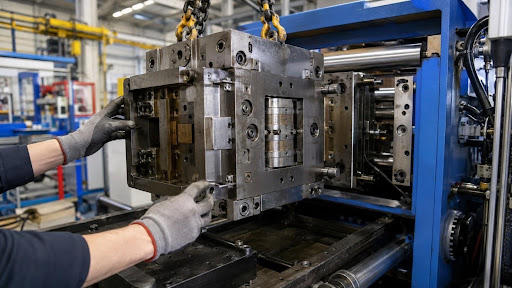
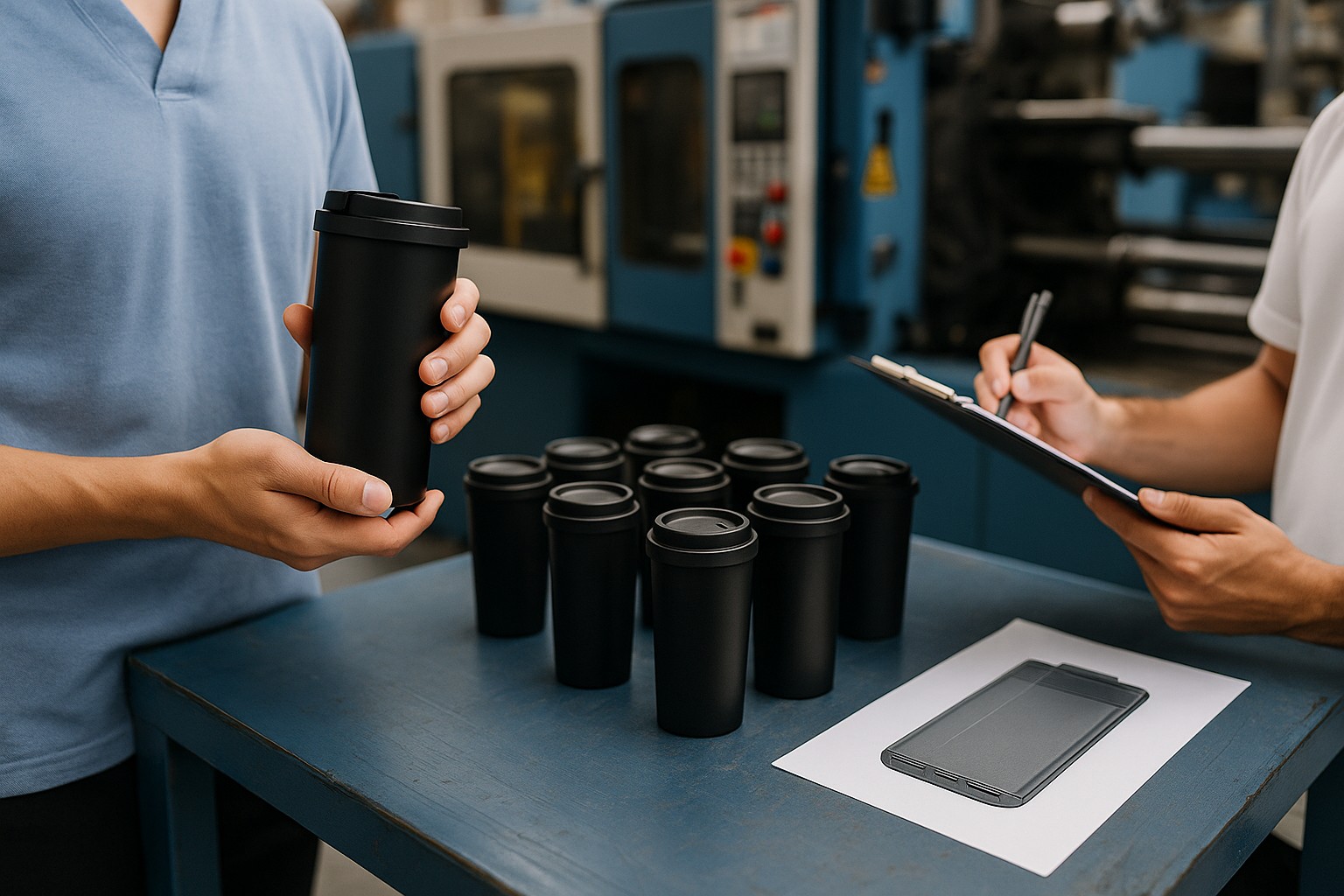
The plastic manufacturing sector has adopted rapid and soft tooling, using aluminium or 3D-printed mould inserts, lets a design be validated in production conditions before committing to steel tooling. Conformal cooling channels, made by metal 3D printing, follow the shape of the part and cut cycle times. And in-line process monitoring, measuring cavity pressure and temperature on every shot, has moved from premium to standard at competent factories.
The article on injection molding covers these in more detail.
What Materials Does the Plastic Manufacturing Sector Recommend?
It depends on the application, but the general answer has shifted. Specify the resin grade rather than the material family, because grades within a family behave very differently. Consider recycled grades deliberately rather than by default, since they are now required in some markets and available in most. And design for a single material where the application allows, because a mono-material part is recyclable and a bonded assembly generally is not.
What Are the Environmental Effects?
The largest part of the plastic manufacturing sector’s footprint is energy at the production stage rather than visible waste: steam crackers running at 800 to 900°C are among the most energy-intensive facilities in industry. End-of-life impact is largely determined by design, since a product made from mixed materials cannot be recycled economically regardless of whether the polymers are recyclable in principle. The environmental impact article covers this properly.
Where Does the Plastic Manufacturing Sector Operate?
China remains the default for most plastic products, because the resin supplier, mould maker, moulder, and finisher sit within hours of each other and tooling costs a fraction of Western equivalents. Vietnam, Thailand, India, and Mexico are alternatives for simpler parts and for products going to markets where tariffs on Chinese goods bite.
Selecting the right material, process, and factory is what our plastics production package covers, and the plastics manufacturing process guide covers how each process works.