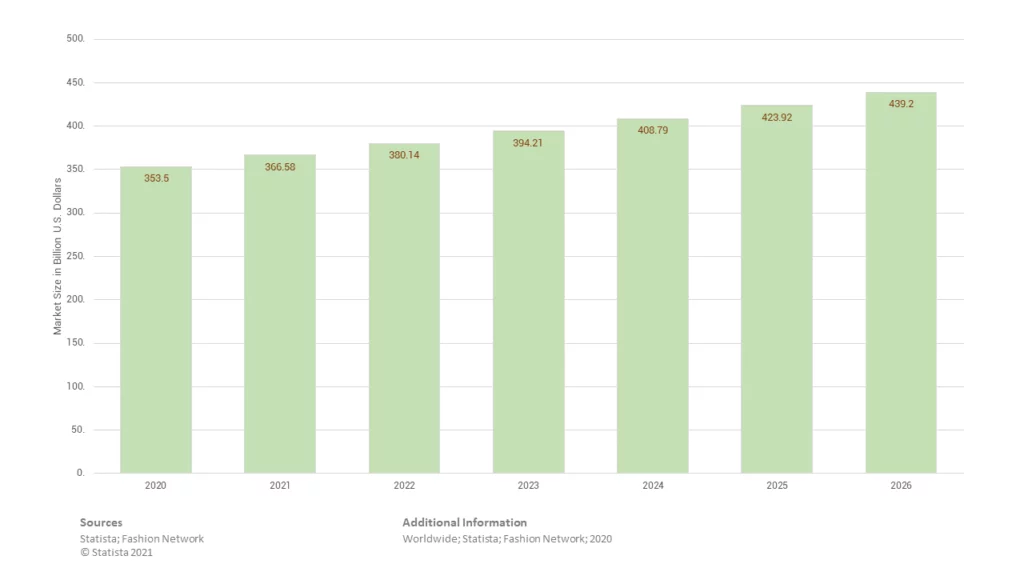
The activewear market size reached roughly US$440 billion globally in 2025 and is growing at around 9% a year, faster than apparel as a whole (Grand View Research). Women account for 47.9% of that revenue, and the segment has grown from a sub-category of sportswear into one of the largest parts of the clothing industry.
What the Activewear Market Size Includes
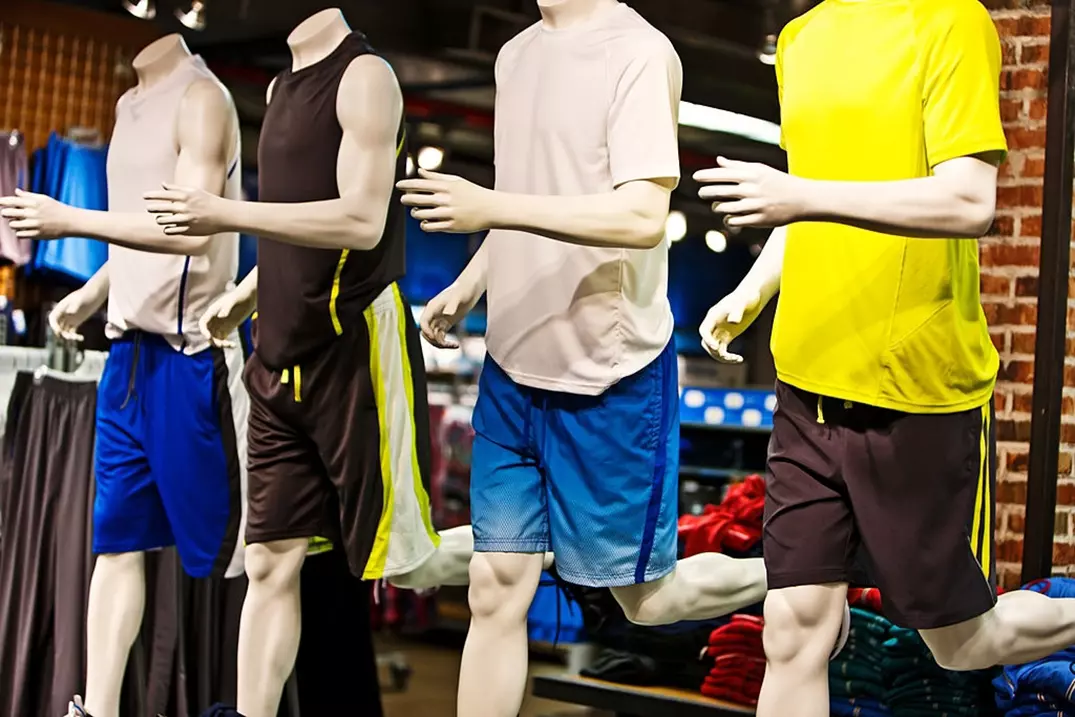
Activewear covers clothing designed for exercise: leggings and tights, sports bras, performance tops, shorts, jackets, and the base layers worn under them. In practice the boundary has blurred, because most activewear is now worn outside exercise, and the athleisure crossover is what took the activewear market size from a niche figure to a headline one.
Leggings and tights are the largest single product type at around 27% of sales, with sports bras the fastest-growing (Mordor Intelligence).
Activewear Market Size by Segment
By gender. Womenswear is the larger and faster-growing half, and it is where most of the successful new brands of the past decade have been built.
By channel. Online has taken a growing share, and several of the largest brands in the category sell primarily direct to consumer.
By region. North America is the largest market; Asia-Pacific is the fastest-growing, driven by rising fitness participation in China and India.
By price tier. The premium end is growing faster than the mass market, which is where the margin is for a new entrant.
What Drives the Activewear Market Size
Three things sustain the activewear market size. Fitness participation continues to rise across most markets, and has broadened well beyond young adults. Athleisure multiplied the occasions on which activewear is bought, turning it into everyday clothing rather than gym-only. And fabric technology keeps improving, with moisture management, four-way stretch, and seamless construction now standard rather than premium.
Working against it: performance fabrics are oil-derived, so costs move with petrochemical prices, and synthetic textiles face growing regulatory pressure in the EU over microplastic shedding and end-of-life.
What This Means for a Brand
The activewear market size makes it attractive and the competition makes it hard. What separates brands that succeed is fit, fabric, and speed, and all three depend on the factory. Activewear is technically demanding: performance fabric sourcing is a different supply chain from standard apparel, flatlock and bonded seams need specific machinery, and compression behaves non-linearly across a size range, so grading from one fit sample produces garments that fail at the extremes.
Producing activewear with factories that specialise in it is what our sportswear manufacturing service does, from fabric selection and fit development through production and testing.