
To break into the competitive clothing industry you need a product people want, a way to reach them, and a manufacturer who will make it properly at a quantity you can afford. Most new clothing brands fail on the third, and they fail because they treated manufacturing as something to sort out after the brand was designed rather than as part of designing it.
Break Into the Competitive Clothing Industry by Starting Narrow
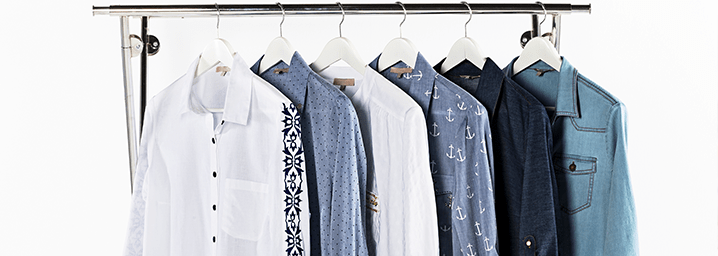
The instinct is to launch a collection. The better approach is a small number of styles done properly, because every additional style multiplies sampling cost, minimum order quantities, inventory risk, and the number of things that can go wrong. Brands that break into the competitive clothing industry successfully almost all started with a handful of products they had got exactly right.
A narrow range also solves a positioning problem. A brand known for one thing is easier to describe, easier to recommend, and easier to find than a brand that makes everything.
Understand What Manufacturing Actually Requires
Minimum order quantities are usually per style and per colour, and are often driven by the fabric mill rather than the factory. Ask whose minimum it is, because a fabric minimum can sometimes be solved by changing fabric.
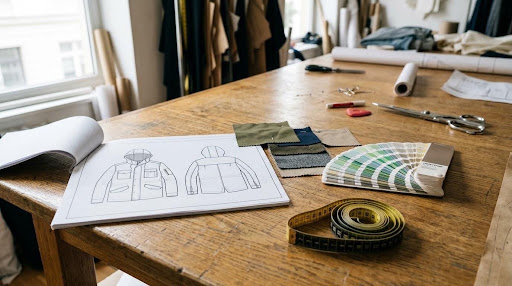
Tech packs. A factory quotes and produces from a specification document: sketches, measurements, materials, trims, construction, labelling. Without one you will get a quote for the factory’s interpretation of your idea.
Sampling. Expect two or three rounds, each taking weeks, each charged. This is the cheapest place to find problems.
Lead times. Plan backwards from when you need stock, not forwards from when you order. Fabric procurement is usually the longest element, and the Chinese New Year shutdown removes weeks from the calendar each year.
Cost It Before You Break Into the Competitive Clothing Industry
Work out the landed cost, including freight and duty, before finalising a design, because that number decides whether the business works. Tariffs have become the largest single variable for US importers, and EU duty preferences can make a Bangladeshi garment cheaper landed than a Chinese one despite a higher factory quote.
Add sampling, testing, packaging, and marketing into the unit economics rather than treating them as separate. Brands that break into the competitive clothing industry and stay there are the ones that knew their real cost per unit from the start.
Choosing a Manufacturer to Break Into the Competitive Clothing Industry
The criteria that matter: has the factory made your product type before, is it a factory or a trading company, what are its real minimums, does it hold current social compliance audits, and will it accept third-party inspection before final payment. The article on choosing an overseas clothing manufacturer covers the process, and there is a list of questions to ask.
Protect What You Build
Register your trademark, including in China, before you send a factory your brand name. China operates first-to-file, so whoever registers owns the mark there regardless of who created it. Use a bilingual contract governed by Chinese law with arbitration somewhere enforceable, and make the final payment conditional on passing inspection.
Wrapping Up
To break into the competitive clothing industry, start narrow, cost it honestly including duty, choose a manufacturer that has made your product before, and protect the brand before you disclose it. None of that is glamorous and all of it is what separates brands that launch from brands that stay.
Managing that process, from tech pack through sampling to production and inspection, is what our clothing manufacturing service does across China and Vietnam.