
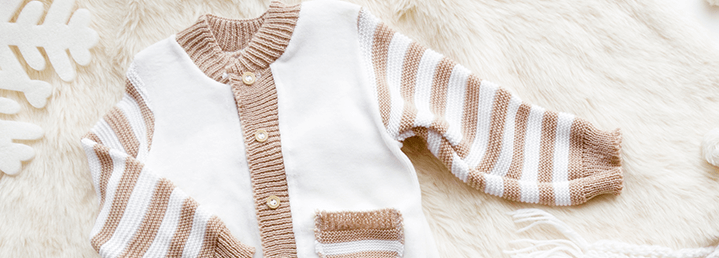
Sellable children’s clothing designs solve a problem for the parent buying and the child wearing, and design that ignores either fails. A garment that looks beautiful and is difficult to get on will not be repurchased. This guide covers what makes a design work at each age and the constraints every children’s design has to respect.
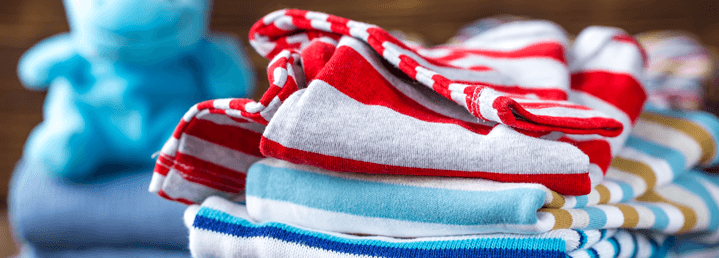
Children’s Clothing Designs Must Be Versatile
The single most commercially useful quality in children’s clothing designs is versatility. Parents value garments that work across occasions, layer with other pieces, and stretch the wearable window as a child grows. Adjustable waistbands, turn-up cuffs, and generous cuts extend usable life, and parents notice which brands do this.
Children’s Clothing Designs by Age
Infants. Access is everything. Kimono-style side fastenings avoid pulling anything over the head, envelope shoulders let a onesie come off downward, and leg poppers make nappy changes possible. Softness against skin outranks every aesthetic consideration.
Toddlers. Durability at the knees and seat, easy dressing as children start doing it themselves, and washability at temperature. Elasticated waists rather than fastenings support potty training.
Children. Fit stabilises, garments last longer, and the child’s own preferences become decisive. A design a child refuses to wear has failed regardless of its merits.
Matching family sets. A genuine commercial niche, particularly around holidays and photographs, with higher margins because the purchase is emotional rather than practical.
The Constraints Every Design Must Respect
This is where children’s clothing designs differ fundamentally from adult ones, and where designers without category experience fail.
No drawstrings at neck or hood, banned in the US and restricted in the EU under EN 14682 because of strangulation risk. This rules out a whole family of design solutions.
No small detachable parts. Buttons, beads, and appliqués are choking hazards and must pass pull testing.
Chemical limits on lead, cadmium, phthalates, azo dyes, and formaldehyde, with CPSIA testing and permanent tracking labels required in the US. Bright prints and metallic trims are where these most often fail.
Flammability standards for sleepwear, which must be snug-fitting or flame-resistant.
Designing within these from the start is far cheaper than discovering them at testing.
What Makes Children’s Clothing Designs Sell
Comfort visible in the product. Soft fabrics, flat seams, no scratchy trims. Parents check this by touch before buying.
Practicality that shows. Poppers, easy openings, and pockets a child can use.
A coherent range. Pieces that work together sell more per transaction than standalone items.
Gender-neutral options. Growing demand, and they allow hand-me-downs between siblings, which parents value commercially as well as ideologically.
Wrapping Up
Sellable children’s clothing designs are versatile, age-appropriate in their construction, comfortable in ways a parent can feel, and compliant by design rather than by testing. Producing them with factories experienced in children’s wear, including the safety testing that makes them saleable, is what our children’s clothing manufacturing service covers.