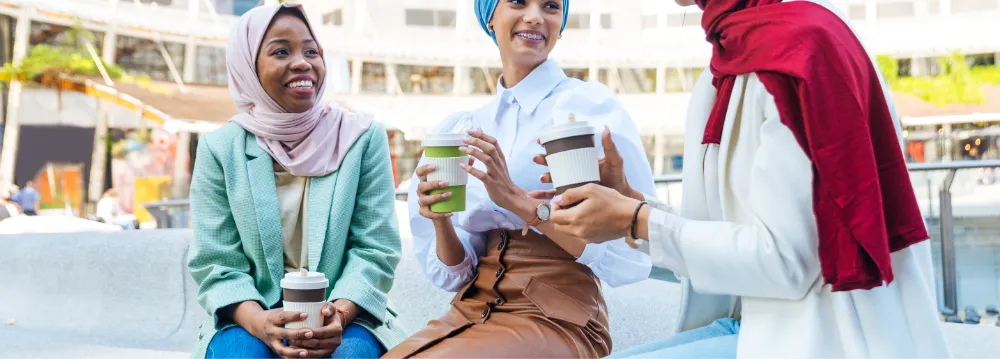
Islamic clothes for ladies covers a wide range of garments unified by a design requirement rather than a single style: modest coverage, achieved without sacrificing comfort or appearance. It is also one of the fastest-growing segments in global apparel, and one that mainstream brands have been slow to serve properly.
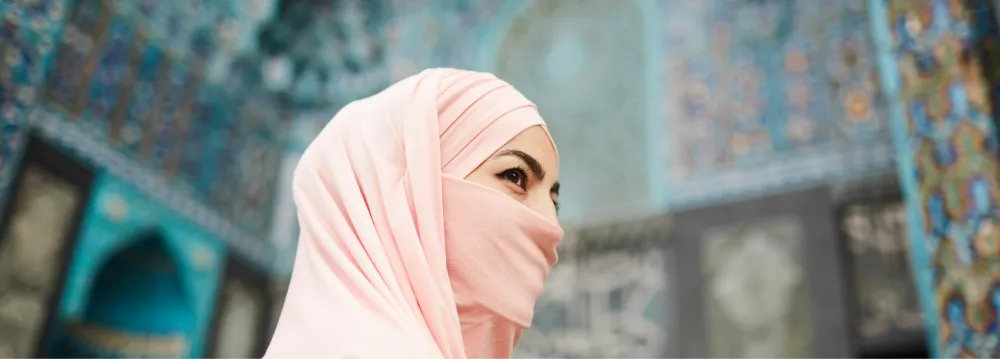
The Main Islamic Clothes for Ladies
Abaya. A loose full-length outer garment, the most recognisable piece and the one with the widest design variation, from plain black to heavily embellished and increasingly in colours and modern cuts.
Hijab. A headscarf covering hair and neck, made in an enormous range of fabrics. Fabric choice matters more here than in almost any garment, since it decides drape, breathability, and whether the scarf holds its position.
Jilbab. A long outer garment, generally more fitted than an abaya.
Khimar. A cape-like head covering extending over the shoulders and chest.
Modest everyday wear. Long-sleeved tops, maxi dresses and skirts, wide-leg trousers, and modest activewear and swimwear, which are the fastest-growing part of the category.
What Makes Good Islamic Clothes for Ladies
Fabric is the main decision. Many of these garments are worn in hot climates over other clothing, so breathability is not a luxury. Lightweight crepe, nida, chiffon, cotton, and linen all work; heavy synthetics do not, however good they look on a rail.
Opacity. A garment intended for coverage that becomes translucent in daylight fails at its main purpose. Test fabrics under strong light and line where necessary.
Drape over structure. These garments work through how fabric falls rather than through tailoring, which makes fabric weight and hand more important than pattern complexity.
Movement. Sleeve width, hem circumference, and shoulder construction all determine whether a garment is comfortable to move in.
Fastenings and finish. Hidden closures, quality linings, and clean seam finishing, because these garments are worn long-term rather than seasonally.
The Market for Islamic Clothes for Ladies
Islamic clothes for ladies sit within a substantial and growing global modest fashion market, with demand concentrated in the Gulf, Southeast Asia, South Asia, and among Muslim communities in Europe and North America. It has broadened well beyond religious requirement, with modest cuts increasingly chosen on preference by consumers of every background.
The segment growing fastest is modest activewear and swimwear, where the design problem is genuinely difficult: coverage plus performance plus comfort in heat.
Producing Islamic Clothes for Ladies
The requirements for islamic clothes for ladies are specific. Fabric sourcing matters more than construction complexity, since most of these garments are simply cut and rely entirely on material quality. Sizing runs differently, with length grading more important than width. And regional preference varies considerably: what sells in Malaysia differs from what sells in Saudi Arabia or the UK, so a single range rarely serves all of them.
Testing should cover opacity, colourfastness, and dimensional stability after washing, since these garments are washed frequently and worn for years.
Producing modest wear, from fabric sourcing through fit development to production, is what our clothing manufacturing service covers, with quality assurance handling the fabric testing.