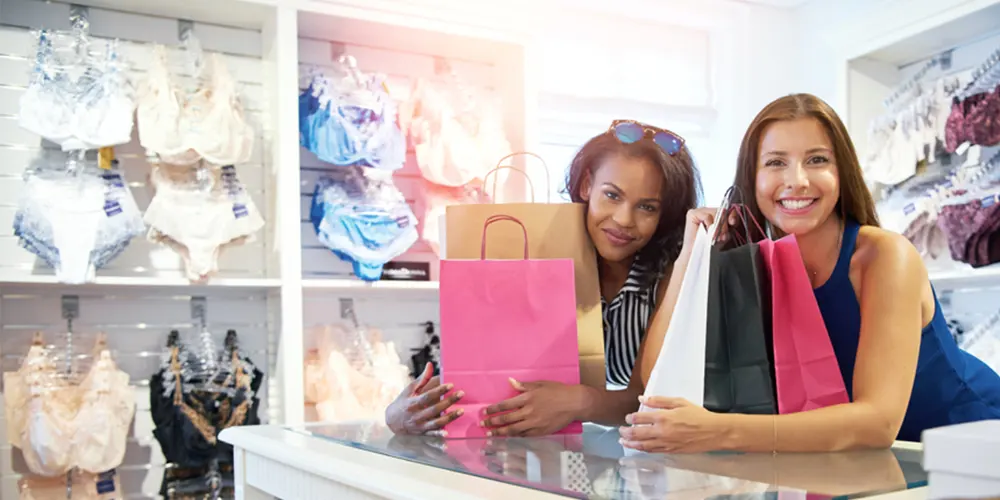
Selling women’s underwear has changed more in the past decade than in the fifty years before it. Direct-to-consumer brands broke the hold of the department-store labels, comfort overtook glamour as the thing customers buy for, sizing and skin-tone ranges widened, and the category moved online. The global underwear market was worth around US$97 billion in 2025, with women’s underwear the larger share and Asia-Pacific the largest region, and it is growing at close to 4% a year (Fortune Business Insights, 2026). Underwear is a repeat purchase with low fashion risk and steady demand, which is why selling women’s underwear remains one of the most attractive apparel businesses for a new brand.
Here is why selling women’s underwear works as a business, and what a brand entering it needs to get right.
Selling Women’s Underwear: Less Saturated Than It Looks
There are thousands of brands selling women’s underwear online and a handful of very large ones. Between them sits a gap: brands that are reliable, well-fitting, and reasonably priced are fewer than the listings suggest. Most small brands fail on fit or fabric, and most large brands are either expensive or slow to change. That gap is the opportunity. A brand that gets fit right, in a clear style at a fair price, can build a repeat customer base quickly, because underwear customers reorder the same product for years once they trust it.
Markets outside the West are less crowded still. Asia-Pacific is the largest and fastest-growing underwear market in the world, and many countries in it have few domestic brands of any scale. A brand with good product, a clear identity, and a shipping plan has room to grow there that it no longer has in the US or UK.
What Sells When Selling Women’s Underwear
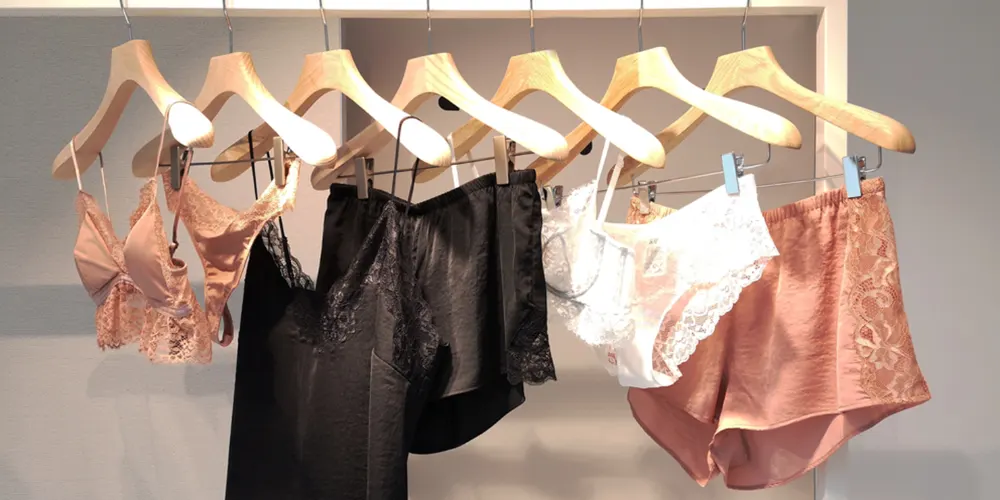
Briefs and bikini styles are the core of the category in every market and make up the majority of most brands’ sales; thongs are a large secondary segment in the US and a smaller one in the UK and Europe. The shift since 2020 has been toward comfort: full-coverage and high-waisted styles that were once dismissed as “grandma’s underwear” are now mainstream, and seamless, wireless, and soft-fabric constructions have moved from niche to default. Bralettes and wireless bras have taken a large share from underwired styles. A new brand does not need a wide range; it needs a small range that fits well in the styles customers actually buy.
Marketing Is Simpler Than in Fashion
Marketing for selling women’s underwear has advantages over the rest of apparel. The product does not go out of style season to season, so a brand can invest in a small number of core products and keep selling them. Word of mouth is strong, because fit is personal and customers recommend what works. And social platforms reward the honest, body-positive presentation that the category’s leading brands pioneered. The constraint is that platform advertising rules restrict underwear imagery, so brands lean on creators, reviews, and organic content more than on paid ads. Search demand for underwear categories is consistent year-round, which makes it one of the better categories for a brand built on organic traffic.
Pricing When Selling Women’s Underwear
Pricing for selling women’s underwear spans a wide range and the market supports all of it. Mass-market briefs sell for a few dollars each in multipacks; premium DTC brands sell single pairs for US$15 to US$25 and bras for US$50 to US$70; luxury lingerie goes far higher. The economics differ at each level.
At the mass end, margin comes from volume and efficient production; at the premium end, from fabric, fit, and brand. What a new brand should not do is price in the middle without a reason, because the middle is where the department-store labels sit, and they have the volume advantage. Choose a position, and let the fabric and construction match the price.
Production cost is dominated by fabric and labour. Underwear is small, but it is construction-heavy: elastic, gussets, seams, and trims that all have to be right. A well-made pair from a specialist factory in China or Vietnam costs a few dollars to produce at volume; a bra costs several times that. Minimums vary by factory and fabric. Confirm whether a quote is per style, per colour or per size before sampling.
Sustainability Is Now a Specification
Only a small share of underwear sold is made with sustainable materials, and that gap is an opportunity as much as a problem. Organic cotton, Tencel, modal, bamboo-derived fabrics, and recycled nylon and elastane are all available from specialist mills, and a growing group of brands has built its identity on them: limited runs to avoid overproduction, plant-based dyes, silver-ion antibacterial finishes, and traceable supply chains.
Because underwear is worn daily and washed constantly, durability is itself a sustainability claim, and the brands that lead the category make it one. For a new brand, sustainable materials cost more per unit but justify a higher price and a clearer story, and in the EU and increasingly the US they are becoming a compliance requirement rather than a choice.
Getting It Made
Everything above about selling women’s underwear depends on the factory. Underwear is a specialist product: the fabrics, the elastics, the seaming, and the fit all require a factory that makes underwear and nothing else, and a general garment factory will get it wrong. The right factory can produce a first collection from a tech pack and a fit sample, and hold fit consistent across sizes and reorders. Our underwear production starts at 1,000 pieces per style and colour, and sizes share that quantity. Finding and qualifying that factory, developing the samples, and managing production and quality is what Intrepid Sourcing’s underwear manufacturing service does, and it is the difference between a brand that ships and one that spends its first year on samples.