
The best undergarment for dress wear is whatever makes the dress sit properly. A garment that looks perfect on the hanger can look wrong on the body because of what is worn underneath it, and the difference between a smooth silhouette and a lumpy one is usually a choice made before the dress went on. This guide covers what to wear under different dress types, and, for brands producing them, what makes the difference between shapewear that sells and shapewear that gets returned.
The best undergarment for dress wear has changed a great deal. The old assumption that it means uncomfortable, over-tight compression no longer holds: modern fabrics are lighter, more breathable, and constructed to hold shape without restricting movement. The category has grown accordingly, and it has become one of the more attractive parts of the underwear market for new brands.
Choosing the Best Undergarment for Dress Type
Full-Body Shapewear: The Best Undergarment for Dress Lengths
Full-body shapewear suits maxi dresses and any close-fitting long dress, because it gives a continuous line from bust to thigh with no transition point that can show. Look for a design with adjustable straps and a gusset opening, and for panels that are firmer at the waist and lighter elsewhere; uniform compression throughout is what makes shapewear uncomfortable.
Shapewear Bodysuits
A bodysuit works under fitted dresses and separates alike, smoothing the torso without extending down the leg. The construction question that matters is the leg opening: a bodysuit that cuts in leaves a visible line, which is exactly what it was bought to prevent. Bonded or laser-cut edges solve it, and are worth the extra cost.
Shorts: The Most Versatile Best Undergarment for Dress Wear
Shorts, sometimes called biker-style shapewear, are the most versatile candidate for best undergarment for dress wear: they smooth the hip and thigh, prevent chafing under a skirt, and work under both fitted and flowing dresses. They are the item most customers buy repeatedly once they find a pair that fits.
Slips
A slip is often the best undergarment for dress fabrics that cling, because it does something shapewear cannot: it stops a dress clinging and adds opacity to a thin fabric. For formal dresses in silk, satin, or lightweight woven fabric, a slip is often the only undergarment needed, and a dress that clings without one is a fabric problem rather than a body one.
Shaping Bras
Under a dress, the bra decides more of the silhouette than anything else. The practical requirement is the right style for the neckline, strapless, plunge, or convertible, and correct fit, which most people do not have; band size does the supporting work, not the straps. A shaping bra with a wider band and side panels smooths the back and underarm area, which is where a fitted dress most often shows a line.
Shapewear Tanks and Camisoles
A shaping tank smooths the midsection under a dress worn with a jacket or under separates, and it is the least restrictive option in the category. It suits anyone who wants light smoothing rather than compression.
Underwear Under Shapewear
Wearing ordinary underwear under shapewear defeats the purpose by adding the seam line the shapewear is meant to remove. Either choose the best undergarment for dress wear with a built-in gusset, which most modern designs have, or wear seamless underwear designed to sit under it.
Leggings and Tights
Under full-length dresses in cold weather, opaque tights or fleece-lined leggings add warmth without bulk. The fit consideration is the waistband: a tight elasticated band creates a ridge that shows through a fitted dress, and a wide, flat waistband does not.
What Makes the Best Undergarment for Dress Wear
For anyone producing the best undergarment for dress wear rather than buying it, the same handful of factors decide whether a product sells and stays sold.
Fabric. The best undergarment for dress wear uses nylon or polyester with a high elastane content, typically 20% to 30%, and the quality of that blend determines whether it holds shape after washing. Cheap elastane degrades quickly, and a garment that loses its compression after ten washes generates returns and bad reviews.
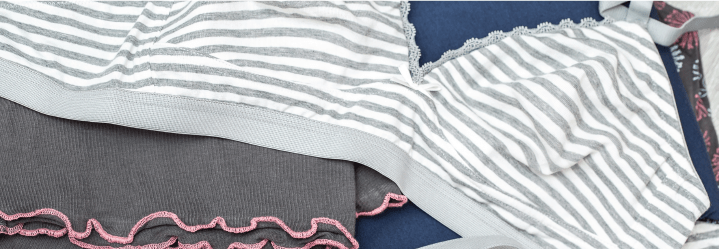
Edges and seams. Bonded, laser-cut, or flatlock edges are what make shapewear invisible under a dress. Conventional elasticated hems create the visible line the product exists to prevent, and this single detail separates products that customers repurchase from those they do not.
Graduated compression. Good shapewear is firmer where shaping is needed and lighter elsewhere. Uniform compression is cheaper to make and less comfortable to wear.
Breathability. Fabrics worn against the skin are covered by EU REACH restrictions. A garment worn all day needs moisture management and ventilation panels, particularly in the gusset and under the arms.
Sizing. Shapewear is unforgiving of poor grading, because compression varies non-linearly with size. A size chart extrapolated from a single fit sample produces garments that fit at the middle sizes and fail at the ends, which is the most common reason a shapewear range underperforms.
Choosing the Best Undergarment for Dress Wear: Bottom Line
Choosing the best undergarment for dress wear is a matter of matching the shapewear to the dress: full-body for maxis, bodysuits for fitted styles, shorts for versatility, a slip for anything that clings, and the right bra for the neckline. Comfort and invisibility matter more than compression, and modern products deliver both far better than the category’s reputation suggests.
For a brand producing them, shapewear is a technically demanding garment that a general factory will get wrong, and the details that decide success, fabric blend, edge construction, graduated compression, and grading across the size range, are all specification decisions made before production. Our underwear and shapewear manufacturing service works with factories that specialise in the category, from fabric selection and fit development through production and inspection.