Electronics manufacturing services, usually shortened to EMS, means outsourcing the production of an electronic product to a company that builds it for you: assembly, testing, sometimes design and component sourcing, sometimes fulfilment. Almost no consumer electronics brand runs its own factory. EMS is how a brand with a design and no plant gets a product made, and it is the industry that makes hardware accessible to companies of every size.
This guide covers what electronics manufacturing services actually include, how the industry is structured, what it costs and requires, and how to choose a provider that has built the product type before.
What Electronics Manufacturing Services Include
Electronics manufacturing services run wider than assembly, and a provider’s position on this range is the first thing to establish.
Design support and design for manufacture. Reviewing a schematic and layout before tooling to catch what cannot be built as drawn: trace widths below the process minimum, components with no second source, boards that will not fit the enclosure. Cheap to fix here, expensive after.
Component sourcing and bill-of-materials management. Buying the parts, tracking lead times, flagging what is on allocation or going end-of-life, and qualifying alternates. In a market where a single chip on allocation can hold up a product for twenty weeks, this is where schedules are won or lost.
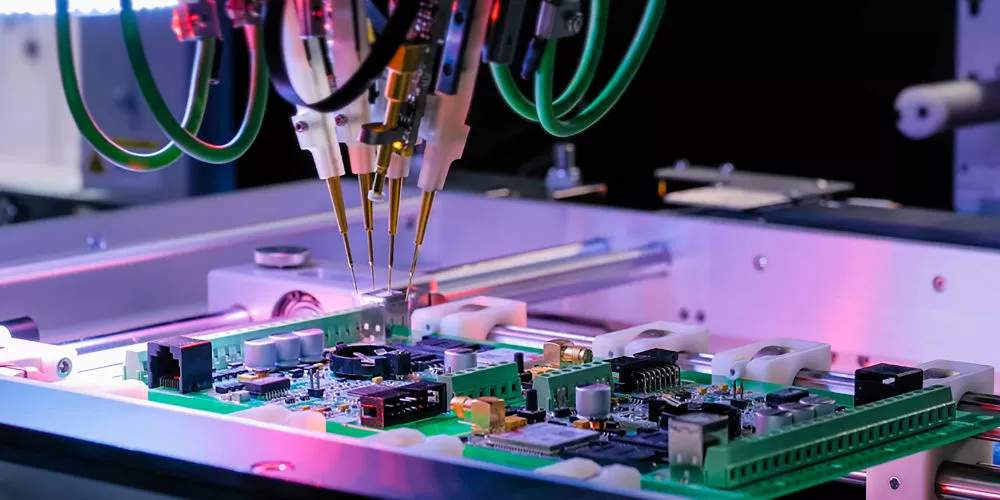
PCB assembly. Surface-mount placement, reflow, through-hole where needed, and inspection. Automated optical inspection is standard at competent providers; X-ray inspection for hidden joints under BGA packages is the mark of a serious one.
Box build. Mechanical assembly: the board into the enclosure, cables, displays, batteries, labels. The step most often subcontracted and most often where quality drifts.
Testing. In-circuit test, functional test, burn-in. A provider that tests to your specification rather than its own habits is worth paying for.
Certification support. FCC for the United States, CE with radio equipment conformity for the EU, UN38.3 and IEC 62133 for lithium cells, UL or ETL for mains products. Some providers manage this; most expect you to. Ask.
Packaging and fulfilment. Retail packaging, kitting, sometimes direct shipment to distribution.
Some brands use all of it and treat their electronics manufacturing services provider as their manufacturing arm. Others use assembly only and keep design and sourcing in-house. The choice depends on what engineering capability the brand has, and both models work.
How the Electronics Manufacturing Services Industry Is Structured
The electronics manufacturing services industry has three tiers, and a small brand belongs in one of them.
Tier one is the global giants: Foxconn, Pegatron, Jabil, Flex, Wistron. They build for Apple, Dell, and HP at volumes in the millions. They do not take an order for five thousand units, and a brand that approaches them will not get a reply.
Tier two is mid-size providers with tens of millions in revenue, serving established brands and larger startups. Minimums typically start around ten thousand units.
Tier three is the high-mix, low-volume providers: factories set up to run many different products at modest quantities, with flexible lines and fast changeovers. This is where a first production run of one to five thousand units gets built, and it is the tier that has made hardware accessible to small brands. It is also the tier where quality varies most, which is why verification matters.
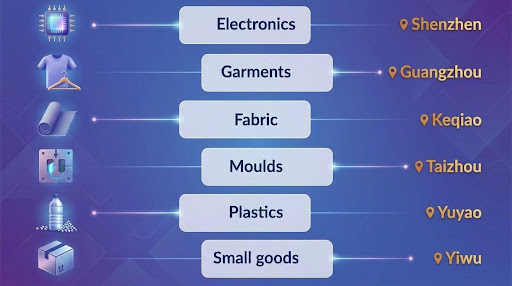
Geographically the industry is concentrated in Asia, and within Asia around Shenzhen and the Pearl River Delta, where component distributors, PCB fabricators, display and battery suppliers, and assemblers sit within hours of each other. Vietnam, Malaysia, India, and Mexico have taken a growing share since 2018 as brands diversified against tariffs, mostly in final assembly rather than component supply. The electronic components industry report covers the supply chain in detail.
What Electronics Manufacturing Services Cost and Require
Minimum order quantities in electronics manufacturing services typically run one thousand to five thousand units in tier three, driven by component minimums and line setup rather than by the assembly itself. Some providers go lower on a first order from a brand they expect to grow.
The quote should break out components, board, assembly, test, and packaging. A single number hides where the money goes and makes a re-quote impossible to evaluate. Component cost is usually the largest share and the most volatile.
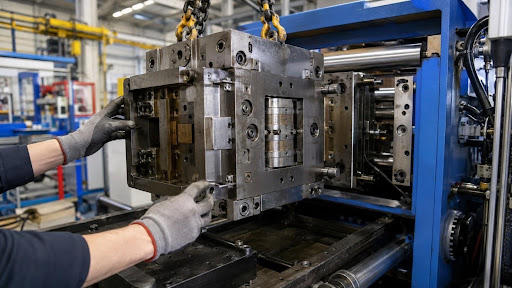
Tooling for the enclosure is a separate one-time cost, from a few thousand dollars for simple aluminium tooling to tens of thousands for complex multi-cavity steel. Who owns the mould should be settled in writing before it is paid for.
Certification is the item most often missing from a first budget. Together, FCC, CE, and battery testing are typically months of schedule and a five-figure sum, and a radio design finalised without a certification plan can require a board revision after tooling. Plan it alongside development, not after.
Component risk is now a live cost. Single-sourced parts are a schedule risk; counterfeit and remarked parts enter the supply chain whenever components are scarce. A provider buying through authorised distributors is worth the premium.
Advantages and Limits of Electronics Manufacturing Services
The case for electronics manufacturing services is straightforward. No capital tied up in a factory. Access to equipment and process control a small brand could never justify owning. A supply chain the provider has already built. Speed from prototype to production that is measured in weeks rather than years. And the ability to scale up or down with demand rather than carrying fixed cost.
The limits are equally real. You are dependent on a partner you do not control, and if they slip, you slip. Intellectual property is exposed: a provider that has your Gerber files and firmware has what it needs to build your product for someone else, which is why contracts, NNN agreements, and registration in China before disclosure matter. Quality is only as good as your specification and your inspection regime. And the smaller you are relative to the provider’s other clients, the further down the schedule you sit when capacity is tight.
Choosing an Electronics Manufacturing Services Provider
Establish six things before placing work with any electronics manufacturing services provider.
What comparable products they have built. Not “can you make electronics” but “have you made this.” A provider that makes power banks is not equipped to make a camera.
Whether they are a factory or a trading company. Ask for the business licence, which states the registered scope, and ask which processes happen in-house.
What certifications they hold and can verify. ISO 9001 as a baseline; IPC-A-610 for assembly workmanship; any product certifications they claim, checked with the issuing body rather than accepted as a scan.
Their real minimum for your product. The published figure is often negotiable on a first order.
Whether they test to your specification. And whether they will accept third-party inspection before the balance is paid.
How they handle component sourcing and obsolescence. Authorised distribution, alternates qualified, and a bill of materials managed as a live document.
Verify certificates with the issuing body. Forged certificates circulate in this industry, and the cost of checking is an email.
Where Intrepid Sourcing Fits
We are not an electronics manufacturing services provider; we are the layer between a brand and the provider. We identify and verify the factory, review the design for manufacturability before quoting, plan certification alongside development, manage the bill of materials, and inspect before the final payment is released. The provider builds the product. We make sure it arrives right.
That is what the electronics production package covers, from PCB and product design and prototype development through production, with quality assurance covering inspection and certification testing. The guide to starting a consumer electronics business covers the commercial side.