What Is ESG and When Should Manufacturers Start Caring?
In January 2025, Shein’s General Counsel was questioned by UK lawmakers about whether the company sourced cotton from Xinjiang, a region linked to forced labor concerns. Around the same time, Temu was reported to be under investigation by the U.S. Department of Homeland Security for potential violations of the Uyghur Forced Labor Prevention Act.
These headlines weren’t really about cotton.
They were about something much bigger: whether companies can demonstrate where their products come from, how they’re made, and whether their supply chains meet increasingly strict standards. For most growing brands, that level of scrutiny can feel far away. The reality is that the questions behind those headlines are becoming increasingly common. Buyers, retailers, investors, and regulators are all asking for greater transparency into how products are made.
That’s where ESG comes in.
What ESG Actually Means
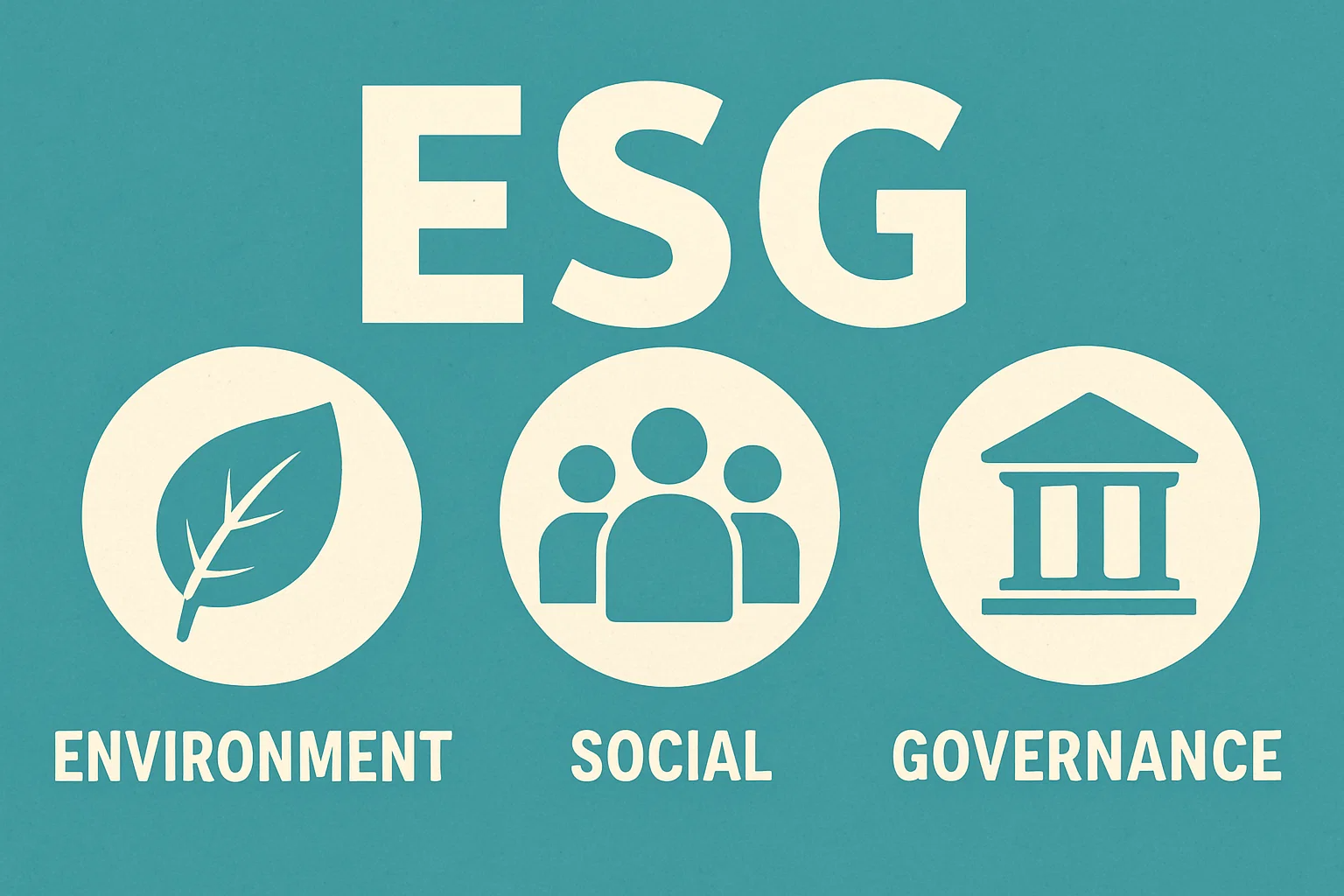
ESG stands for Environmental, Social, and Governance.
It’s a framework used by buyers, retailers, investors, and regulators to evaluate how responsibly a company operates and how effectively it manages risk. For manufacturers, ESG often comes down to three practical questions:
- How are products being made?
- How are workers being treated?
- Can the company prove it?
In simple terms:
Environmental looks at waste, emissions, resource use, and sustainability practices. Social focuses on worker welfare, labor conditions, and ethical sourcing. Governance covers transparency, documentation, compliance, and accountability.
Why ESG Is Becoming More Important
Ten years ago, most manufacturers were judged primarily on quality, price, and delivery. Those factors still matter. What’s changed is that companies are now expected to provide greater visibility into how products are sourced and produced.
- Large retailers increasingly evaluate suppliers using ESG criteria.
- Investors review ESG risks before making investment decisions.
- Procurement teams routinely request certifications, audit reports, and supplier information before approving vendors.
In many industries, ESG has shifted from a nice-to-have initiative to a standard business consideration.
The companies making headlines today may be some of the largest in the world, but the expectations behind those headlines continue to move throughout global supply chains. A 2023 U.S. House Select Committee report concluded there was an “extremely high risk” of forced labor in Temu’s supply chains, while Shein disclosed two cases of child labor in its supply chain in 2024.
This Isn’t a New Conversation.
If ESG feels like a recent trend, it isn’t. Many of the discussions happening today have been shaping business decisions for decades. Nike is one of the most well-known examples.
What Nike Learned the Hard Way
Throughout the 1990s, investigative reports highlighted issues within Nike’s supplier network, including:
- Low wages
- Child labor allegations
- Hazardous working conditions
- Excessive overtime
Consumer boycotts followed. Universities cut partnerships. Public scrutiny intensified.
In 1998, CEO Phil Knight publicly acknowledged the issue and pledged reform. What followed helped shape many of the practices now associated with ESG:
- Supplier codes of conduct
- Factory audits Independent monitoring
- Sustainability reporting
- Greater transparency across supplier networks
Today, many of these practices are considered standard expectations for global brands. The lesson isn’t that every manufacturer needs Nike’s resources. It’s that ESG concerns rarely disappear as companies grow.
As businesses expand into new markets, work with larger customers, or attract outside investment, expectations around transparency and responsible sourcing tend to increase rather than decrease.
When Should Manufacturers Start Thinking About ESG?
Not every business needs a formal ESG strategy from day one. If you’re still developing products, testing the market, or running smaller production volumes, your immediate priorities are likely product quality, manufacturing reliability, and cost control. That’s completely reasonable.
However, ESG starts becoming more relevant when your business reaches certain growth milestones:
- Selling through major retailers
- Working with larger distributors
- Entering institutional or government procurement channels
- Seeking investment Expanding internationally
At that stage, ESG requirements often begin appearing as part of normal business processes.
How ESG Usually Shows Up
One of the biggest misconceptions about ESG is that it arrives as a formal audit. In reality, it usually appears gradually. Most companies don’t wake up one morning and discover they’re facing a major ESG review. Instead, it starts with questions.
- A retailer asks for supplier certifications.
- A distributor requests factory audit reports.
- An investor wants to understand supply chain risks.
- A procurement team sends a compliance questionnaire.
- A customer asks where a product was manufactured.
Suddenly, information that never seemed important becomes critical. Companies that have organized supplier records and documentation typically handle these requests with little disruption.
Companies that haven’t often find themselves scrambling to gather information under tight deadlines.
What Buyers Actually Look For
While ESG requirements vary by industry, buyers usually focus on five key areas.
1. Supplier Legitimacy: Is the supplier stable, reputable, and operating legally?
2. Labor Practices: How are workers treated, and are working conditions appropriate?
3. Environmental Compliance: How does the facility manage waste, emissions, and environmental obligations?
4. Traceability: Can products and materials be traced back through the supply chain?
5. Documentation: Can the company support its claims with records, certifications, and evidence?
Of these five areas, documentation is often the most overlooked.
A supplier may be operating responsibly, but if certifications, audit reports, or production records cannot be produced when requested, concerns can still arise. In many cases, ESG isn’t just about meeting standards. It’s about being able to demonstrate that those standards are being met. In many ways, that’s what made the Shein hearings so significant. The discussion wasn’t simply about whether problems existed. It was about whether the company could confidently verify and document its supply chain practices when asked.
Preparing for ESG Without Overcomplicating It
Many growing brands assume ESG requires a dedicated compliance team or significant investment. For most manufacturers, the first steps are much simpler.
Start by:
- Vetting suppliers beyond price and capacity
- Maintaining organized supplier records
- Keeping certifications and audit reports accessible
- Conducting basic factory assessments
- Building traceability into sourcing processes early
These practices improve visibility across your operations and make future ESG requirements much easier to manage.
ESG is rarely about perfection but more about visibility. The goal isn’t to eliminate every risk but to understand where risks exist and have the information needed to address them.
How We Approach ESG at ISS
At Intrepid Sourcing and Services, we view ESG readiness as an extension of good sourcing practices.
Our Quality Assurance Solution includes supplier audits, screening factory certification compliance, and documentation audits to ensure clarity around production and social standards. Services like Pre‑Production and Post‑Production Audits include factory inspections and compliance checks that validate a manufacturer’s professionalism and operational ethics. These systems create value long before ESG becomes a formal requirement.
As companies grow, they often become the foundation that makes ESG compliance and reporting significantly easier. The businesses that handle ESG requirements most effectively usually aren’t reacting when the questions arrive. They’re prepared before anyone asks.
Need help? Let’s talk.