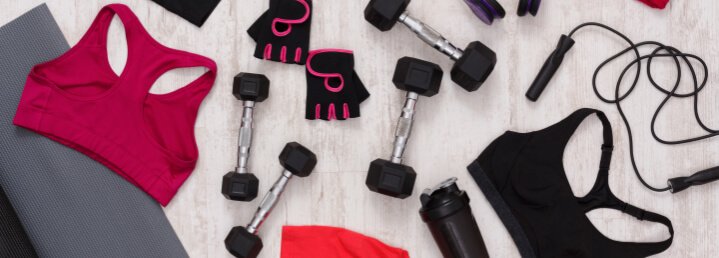
Fashion gym wear is workout clothing bought as much for how it looks as for what it does, and it has become one of the largest categories in apparel. The activewear market was worth around US$440 billion globally in 2025 and is growing at roughly 9% a year (Grand View Research), with the fashion-led segment growing faster than technical performance wear. Understanding why explains a good deal about how clothing brands are built now.

Fashion Gym Wear Built Communities, Not Just Products
The brands that grew fastest in this category did it through community rather than distribution. Gymshark, Alo Yoga, and others built followings on social platforms before they had retail presence, using athletes, trainers, and creators rather than advertising. That model works particularly well for fashion gym wear because the product is worn in public, photographed, and associated with an identity people want to project.
For a new brand the implication is practical: the audience is built alongside the product, not after it. A clothing line launched into silence struggles regardless of quality.
Worn Like a Uniform
Fashion gym wear stopped being gym-only, and that is the single biggest driver of its growth. Leggings, sports bras, and joggers are now everyday clothing worn to work, to travel, and at home, which multiplies the occasions on which they are bought. Athleisure, the term for exactly this crossover, turned a category sized by how many people exercise into one sized by how many people want comfortable clothes.
The commercial consequence is a shorter replacement cycle. Clothing worn daily wears out and gets replaced, and clothing bought for how it looks gets replaced when the look changes.
Health Awareness Underneath It
The underlying driver is real rather than fashionable. Fitness participation has risen across most developed markets, gym membership continues to grow, and health awareness has broadened from athletes to a general population. Every new exercise habit is demand for fashion gym wear, and the demographic has widened well beyond the young.
What Fashion Gym Wear Requires to Manufacture
This is where new brands underestimate the category. Fashion gym wear looks simple and is not. The fabrics are performance synthetics, polyester or nylon with 15% to 30% elastane, and the quality of that blend determines whether a garment holds shape after fifty washes or bags out after ten. Construction matters: flatlock or bonded seams rather than conventional ones, because a seam that chafes makes the garment unwearable regardless of how it looks.
Fit is the hardest part. Compression varies non-linearly with size, so a range graded from a single fit sample will fit in the middle sizes and fail at the ends. Squat-proof opacity in leggings is a specific test that a general garment factory will not know to run. And sustainability has moved from differentiator to expectation, with recycled polyester and nylon now standard requirements from most retailers.
Wrapping Up
Fashion gym wear is popular because it is comfortable, publicly visible, tied to an identity people want, and worn far beyond the gym. For a brand it is an accessible category with a technically demanding product underneath it, and the difference between a range that sells and one that gets returned is fabric, seams, and grading rather than design.
Producing activewear with factories that specialise in it is what our sportswear manufacturing service does, from fabric selection and fit development through production and inspection.