A strong manufacturing quality control process starts with using the right tools early. When they’re in place from the beginning, production becomes more predictable, cost-efficient, and easier to manage. Production runs can go wrong for many reasons. Miscommunication, poor planning, unclear specifications, or unexpected defects can all derail what should have been a straightforward process.
For many brands, especially those new to manufacturing, these issues don’t show up until it’s too late. By then, timelines have slipped, costs have increased, and fixing mistakes becomes significantly more expensive. The reality is that manufacturing will always involve some level of uncertainty. But the difference between a smooth production run and a problematic one often comes down to preparation.
Assets That Make a Real Difference in your Manufacturing Quality Control Process
Over time, we’ve found that a few core tools consistently reduce risk and improve outcomes across garment, plastics, and electronics manufacturing.
Here are five things we recommend to brands that want a smoother manufacturing experience:
-
Digital Tech Packs
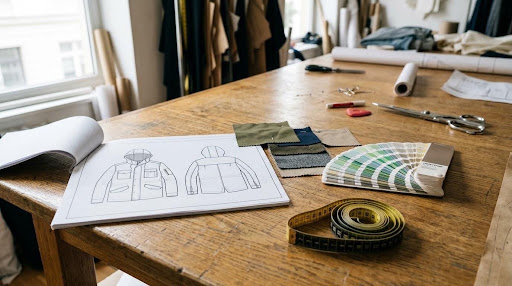
A strong Tech Pack is the foundation of any successful production run. It acts as a single source of truth for your product, outlining everything from measurements and materials to construction details and finishing requirements. Without a clear, standardized tech pack, factories are left to interpret your intent. That’s where mistakes happen.
A well-structured digital tech pack helps:
- Reduce back-and-forth communication
- Eliminate ambiguity in specifications
- Ensure consistency across samples and production
It also keeps designers, manufacturers, and stakeholders aligned throughout the process.
-
CAD Design Files
CAD (Computer-Aided Design) files turn your concept into something manufacturers can work with precisely. They allow factories to visualize exact dimensions, tolerances, and structural details before production begins.
This is especially important for:
- Plastic components and molded parts
- Electronic assemblies
- Complex garment structures
Using CAD files helps:
- Reduce sampling iterations
- Identify design issues early
- Improve production accuracy
Instead of relying on rough sketches or descriptions, manufacturers work from exact specifications, significantly lowering the risk of errors.
-
Prototyping and Pre-Production Samples
Skipping or rushing sampling is one of the fastest ways to run into problems later. Prototyping and pre-production samples give you a chance to test your product before committing to full-scale production.
This stage allows you to:
- Validate fit, form, and function
- Identify design or material issues
- Make adjustments before scaling
Just as important is tracking changes clearly between sample versions. Without proper documentation, small adjustments can get lost, leading to inconsistencies during production. Getting this stage right prevents costly rework later.
-
Quality Control Checklists
Quality issues are much harder to fix after production is complete, which is why proactive quality assurance is critical. Instead of relying on general instructions, structured QC checklists define exactly what needs to be inspected, measured, and approved at each stage.
These typically cover:
- Material quality
- Dimensions and tolerances
- Workmanship and finishing
- Packaging requirements
Clear QC documentation ensures consistency across factories and inspection teams, and helps catch issues early before they scale.
-
Timeline and Cost Tracking
One of the most overlooked tools in manufacturing is a simple but well-maintained tracking system.
Having a live view of:
- Production milestones
- Sample approvals
- Lead times
- Costs and payments
helps keep everything on schedule and within budget. Without this visibility, delays and cost overruns often go unnoticed until they become harder to manage.
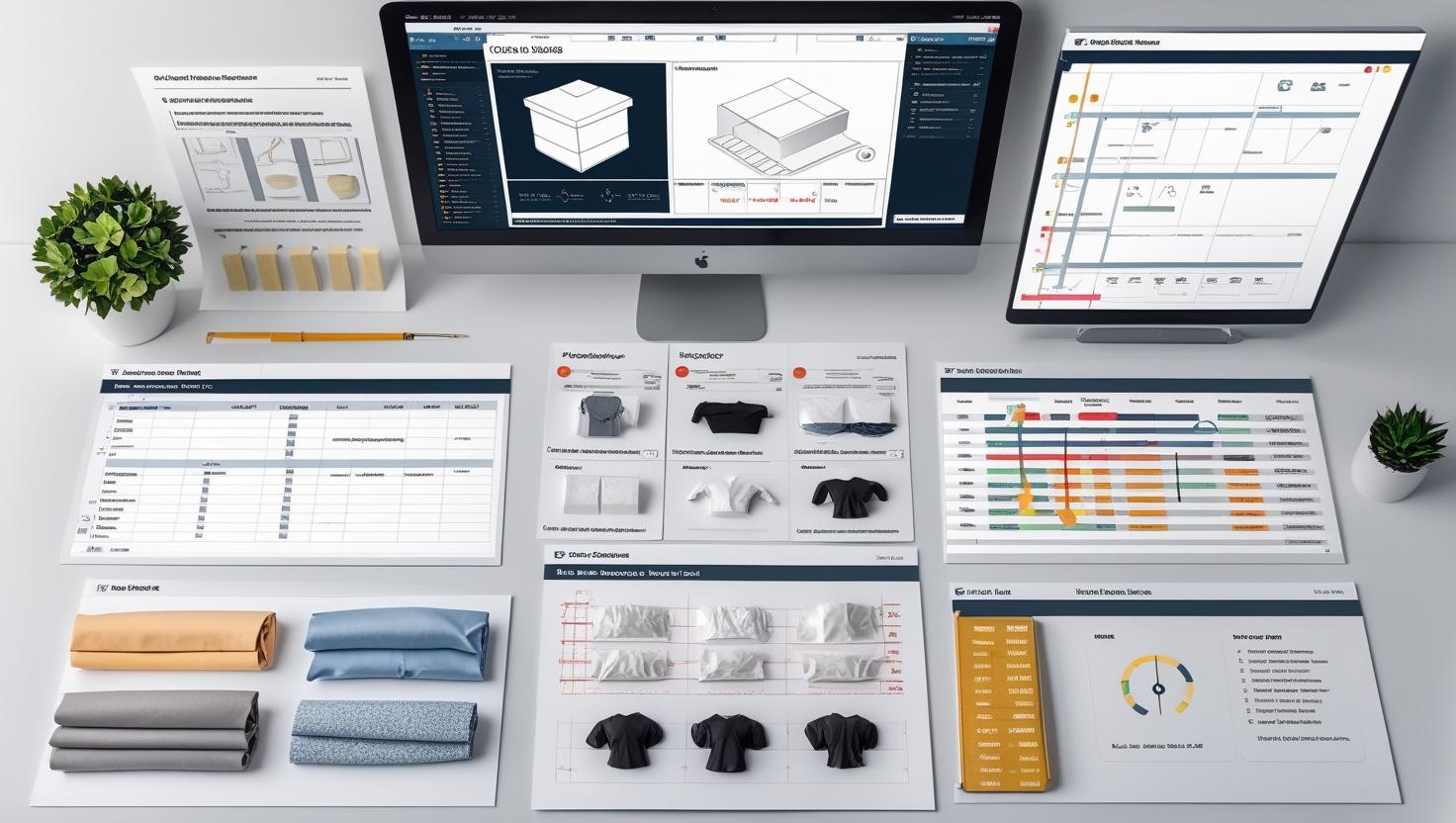
A structured tracking system allows you to:
- Identify bottlenecks early
- Adjust timelines proactively
- Maintain control over spending
It also keeps everyone aligned, so decisions are made with the same information.
We Help Put These in Place
At Intrepid Sourcing and Services, these tools are not optional add-ons. They are part of how we manage every project. We provide these tools to every client as part of our product development and contract manufacturing services. We provide these systems as part of our product development and contract manufacturing services, integrating them directly into the workflow so each stage is clearly defined and properly managed.
Across garments, plastics, textiles, and consumer electronics, we’ve used these tools to:
- Reduce sampling cycles
- Improve production accuracy
- Minimize costly errors
- Keep projects on track
When these fundamentals are in place, the entire process becomes more predictable.
Build with Fewer Surprises
Manufacturing will always involve moving parts, and some level of risk is unavoidable. But most major issues don’t come from complexity. They come from lack of clarity, missing structure, or poor visibility. Using the right tools, combined with the right team, helps reduce those risks and keeps production on track. It shifts the process from reactive problem-solving to controlled execution.
If you’re planning your next production run, setting these foundations early can make the difference between a smooth process and a costly one. We’ll help you put the right structure in place from the beginning.