People who want to start a plastic business keep arriving, and for good reason. Plastic parts are in every electronic device, every car, every household appliance, and most medical products, and demand has grown almost every year for seventy years. Global plastics production reached 430.9 million tonnes in 2024, up 4.1% on the year, and is forecast to reach 589 million tonnes by 2050 (Plastics Europe, The Fast Facts 2025). China alone produces 34.5% of the world’s plastics; Asia as a whole produces 57%. The value added by the global plastics and rubber industry was around US$581 billion in 2025 (Statista).
Before you spend anything, it helps to understand what it means to start a plastic business. Most people who “start a plastic business” do not build a factory. They design a plastic product, or find one to brand, and have it made by a manufacturer who already owns the machines. The seven steps below cover both routes, and are honest about which one most people should take.
Why Start a Plastic Business?
Plastics have been part of daily life since the 1940s because they are durable, light, waterproof, cheap to shape into complex forms, and, increasingly, recyclable. The packaged-food industry could not exist without them; nor could consumer electronics, medical devices, or most of what is in a car. Global circular plastics production, from recycled and bio-based feedstocks, passed 43.9 million tonnes in 2024, more than 10% of total output for the first time, and it is the fastest-growing part of the industry. Anyone who wants to start a plastic business today can build it on sustainability as much as on cost.
Step-by-Step: How to Start a Plastic Business
1. To start a plastic business, start with a product, not a factory
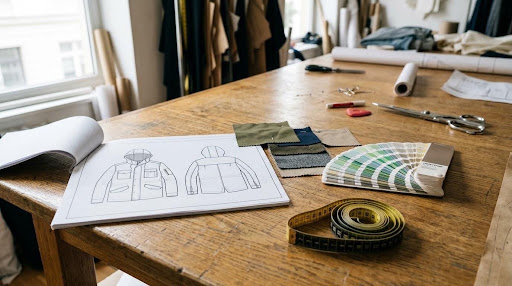
Setting up a plastic manufacturing operation requires machinery, skilled staff, a supply chain for resin, and the science to run it. Very few people who start a plastic business should start there. Start instead with the product: what it does, who buys it, and what it has to cost. Then turn the idea into 3D and CAD design files that a factory can quote from. A product design is the asset; the factory is a service you buy.
2. Decide how you will sell
When you start a plastic business you can sell online, through marketplaces or your own store, or through retail and distribution, and most successful plastics product businesses do both eventually. The choice changes what you need to plan for. If you sell online, the questions are which channels, how you will drive demand, where inventory will sit, and who will fulfil orders. If you sell through retail, the questions are packaging, minimum order quantities, and the terms and lead times buyers expect. Either way you will need working capital, and you should plan for slow months, because every business has them.
3. Decide the size of the business
Only you know your knowledge, capital, and goals, so you are the one to decide the scale. Start smaller than your ambition. A first order of a few thousand units from a contract manufacturer tells you whether the product sells, what customers say about it, and what it actually costs to deliver, at a fraction of the risk of a larger commitment. Scale up on evidence.
4. Research the market and the process
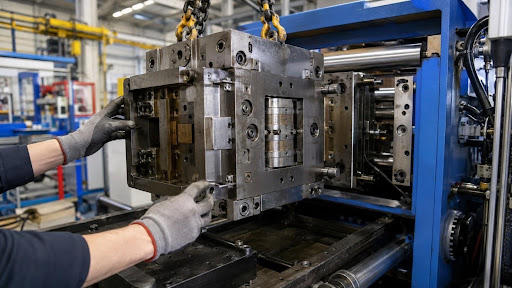
To start a plastic business takes real investment, and research is what keeps that investment from becoming a mistake. Understand who else sells your product, at what price, and where they make it. Understand the production process well enough to talk to a factory: injection molding for most solid parts, blow molding for bottles and hollow parts, thermoforming for trays and packaging. Understand the regulations that apply to your product in your market, from food-contact and toy-safety rules to the extended producer responsibility and recycled-content laws now spreading across the EU and US states, which can change what your product may be made of. Understand how you will finance the first order.
5. Learn the fundamentals
You do not need to be an engineer, but you need to know enough to make good decisions and to recognise a bad quote. That means the basics of resin selection and what each material costs, how tooling works and who owns the mold you pay for, how a factory quotes a part and what drives the price, and what can go wrong in production. The more you understand, the better every decision you make, from choosing a factory to negotiating a price.
6. Choose where to make it
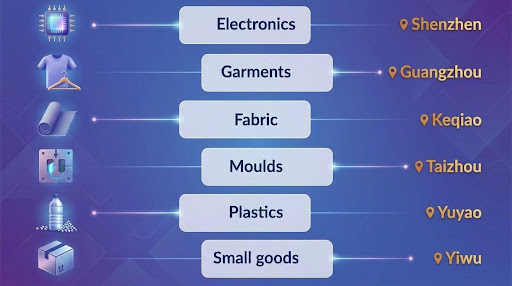
If you were building a factory, location would mean land, utilities, distance from resin suppliers, and environmental permits. For most new businesses the question is different: which country and which factory. China remains the default for injection-molded and blow-molded products because of tooling capability, resin supply, and depth of experience. Vietnam, India, and Mexico are alternatives worth quoting for products headed to the US, where tariffs on Chinese goods have made assembly location a pricing decision. The factory you choose matters more than the country; a good supplier will have the right machines for your part, in-house tooling or a close tooling partner, and references you can call.
7. Register the business and get the permits
Legal setup comes last but is not optional. Register the business, set up tax, and obtain the permits and licences your product and your market require. For a product business that means product safety certification, labelling compliance, and, where applicable, registration with the authorities that regulate your product category. For a factory it means a great deal more: environmental permits, workplace safety, and, in most countries, planning consent. Get advice from someone who has done it in your jurisdiction; the cost of a consultation is small next to the cost of a compliance failure after launch.
The Shortest Route to Start a Plastic Business
The fastest way to start a plastic business is to combine steps 1, 4, and 6: a good design, a clear understanding of the process and the rules, and a manufacturer who can take the design into production. That is what Intrepid Sourcing’s plastics production package is built for. We handle the design engineering, the mold, the material, the production, and the quality control, so that your capital goes into the product and the business rather than into machinery you would use for one product line.