Injection molding remains the most widely used and reliable way to manufacture custom plastic parts, and the hardest decision in any injection-molded product is which material to use. The plastic resins for injection molding that a factory can run number in the hundreds, but a small group covers most consumer and industrial products, and choosing among them decides the part’s strength, finish, cost, and compliance. This article covers how the process works, what a resin is, and the plastic resins for injection molding a product designer chooses between most often.
The Process of Injection Molding
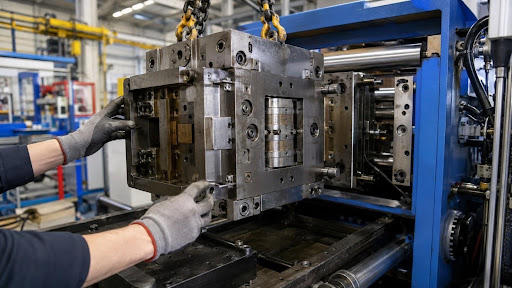
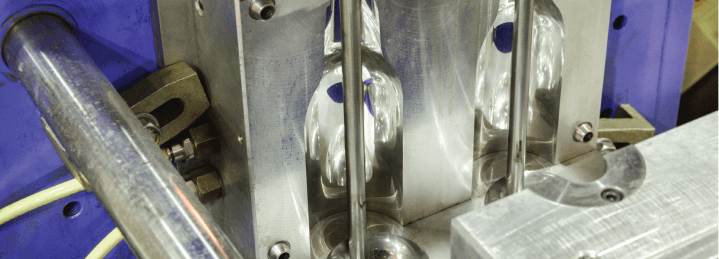
Injection molding uses an injection molding machine, a resin, and a mold. Resin pellets are fed into a heated barrel, melted, and forced under pressure into a steel or aluminium mold, where the plastic cools and solidifies into the part. The mold opens, the part is ejected, and the cycle repeats, typically every few seconds to a minute depending on part size. The mold is the main upfront cost and the resin is the main ongoing one, which is why the choice of plastic resins for injection molding is a cost decision as much as an engineering one.
What Is Plastic Resin?
Plastic resins for injection molding are the raw polymer material, usually supplied as pellets, from which plastic parts are made. Most resins are synthetic polymers produced from petrochemical feedstocks, naphtha from oil or ethane from natural gas, that are cracked into monomers and polymerised; a growing minority are made from recycled plastic or from plant-based feedstocks. Historically “resin” meant a natural secretion from trees, and the word carried over to synthetic polymers because early plastics were compared to them. In manufacturing today, plastic resin and plastic mean the same material at different stages: the resin is the pellet, the plastic is the part.
The Main Types of Plastic Resin
The seven resin identification codes cover the commodity plastics: PET, HDPE, PVC, LDPE, PP, PS, and “other,” which includes everything else from ABS and polycarbonate to nylon. Beyond that grouping, plastic resins for injection molding fall into commodity resins, which are cheap and used for high-volume parts; engineering resins, which cost more and offer better strength, heat resistance, or precision; and high-performance resins such as PEEK, used where nothing else will survive the conditions.
The Best Plastic Resins for Injection Molding
The plastic resins for injection molding below cover the great majority of molded consumer and industrial parts.
ABS
Acrylonitrile butadiene styrene is the default resin for consumer product housings: tough, rigid, easy to mold, easy to paint or plate, and inexpensive. It is what most electronics enclosures, appliance housings, and toys are made of. Its weaknesses are limited heat and UV resistance, which is why outdoor and high-temperature parts use something else. PC/ABS blends add polycarbonate’s toughness and heat resistance and are common in higher-end electronics.
Polypropylene
PP is the most widely produced of all plastic resins for injection molding: cheap, light, chemically resistant, and fatigue-resistant enough to mold living hinges that flex thousands of times. Food containers, caps, automotive interiors, and most household goods are PP. It is not strong or stiff, and it is difficult to bond or paint, but for a part that needs to be cheap and durable it is usually the first choice.
Nylon
Nylon, or polyamide (PA), is one of the toughest plastic resins for injection molding:, wear-resistant, and holds up at high temperatures, and it is the standard for gears, bearings, clips, and mechanical parts, and for under-hood automotive components. Glass-filled nylon grades are stiff and strong enough to replace metal in many applications. Its weakness is moisture absorption, which changes dimensions and properties, so nylon parts need to be designed and molded with that in mind.
Polycarbonate
PC is strong, transparent, and dimensionally predictable in molding, with excellent impact resistance; it is the material of safety glasses, light covers, and clear housings. It is more expensive than ABS and scratches more easily than glass. Standard polycarbonate contains bisphenol A, so it is not used for food-contact or infant products unless a BPA-free grade is specified.
Polyethylene
PE, in its high-density and low-density forms, is light, flexible, and highly chemical-resistant, and it is the most produced plastic in the world. It is not strong or stiff, but it is the material of bottles, caps, bags, bins, and containers, and HDPE is the most common resin for blow-molded parts. For injection molding it suits parts that need flexibility and chemical resistance more than strength.
Thermoplastic Polyurethane
TPU is a flexible resin with rubber-like elasticity, high abrasion resistance, and good resistance to oils, and it is molded into phone cases, footwear components, seals, and soft-touch grips. Together with other thermoplastic elastomers such as TPE, it is what allows a soft part to be overmolded onto a rigid one in a single process, which is now standard in consumer product design.
Polystyrene
PS is cheap, rigid, and easy to mold, with good clarity in its general-purpose form and improved toughness in its high-impact (HIPS) form. It is used for disposable cutlery, CD cases, packaging, and low-cost housings. It is brittle and has poor chemical and heat resistance, so it suits parts where cost matters more than durability.
Other Engineering Resins
Other plastic resins for injection molding serve narrower needs. POM (acetal) is the choice for precision gears and low-friction mechanical parts. PET is molded into preforms for bottles and, glass-filled, into strong structural parts. PBT is common in electrical connectors for its dimensional stability. PEEK and other high-performance resins serve aerospace, medical, and chemical-process parts at several times the cost of engineering grades.
Choosing Among Plastic Resins for Injection Molding
The choice comes down to four questions: what mechanical, thermal, and chemical properties the part needs; what finish and colour it needs; what regulations apply, food contact, toy safety, flammability, RoHS; and what the part can cost. Resin price is a large share of unit cost on a high-volume part, and resin prices move with oil and gas, so a quote at one resin price is not valid at another. Recycled and bio-based grades are now available for most of the resins above, at some cost and performance trade-off, and are increasingly required for products sold in the EU.
Conclusion
Among plastic resins for injection molding there is no single best one, only the right one for the part, and the wrong choice shows up as a part that breaks, warps, fails a test, or costs more than it should. Matching the resin to the application, and then designing the part and the mold around that resin, is the work that happens before any tooling is cut. It is part of what our injection molding and plastic design services cover, from resin selection through mold design to production.