Smart home hardware is the physical half of a connected product: the enclosure, the circuit board, the radio module, the sensors, the power system, and the mechanical parts that make it work. The market side of this category is covered in the article on smart home devices; this one is about building the thing. If you have a product concept and want to know what it takes to get smart home hardware manufactured, what it costs, and where the first attempt usually goes wrong, this is that guide.
The encouraging part first. Smart home hardware is more accessible to a small brand than it has ever been, because the component supply chain is mature. Sensors, wireless modules, microcontrollers, batteries, and displays are all commodity parts available at consumer prices, and the factories that assemble them have built comparable products hundreds of times. The barrier is not the hardware. It is certification, software, and the decisions made before tooling.
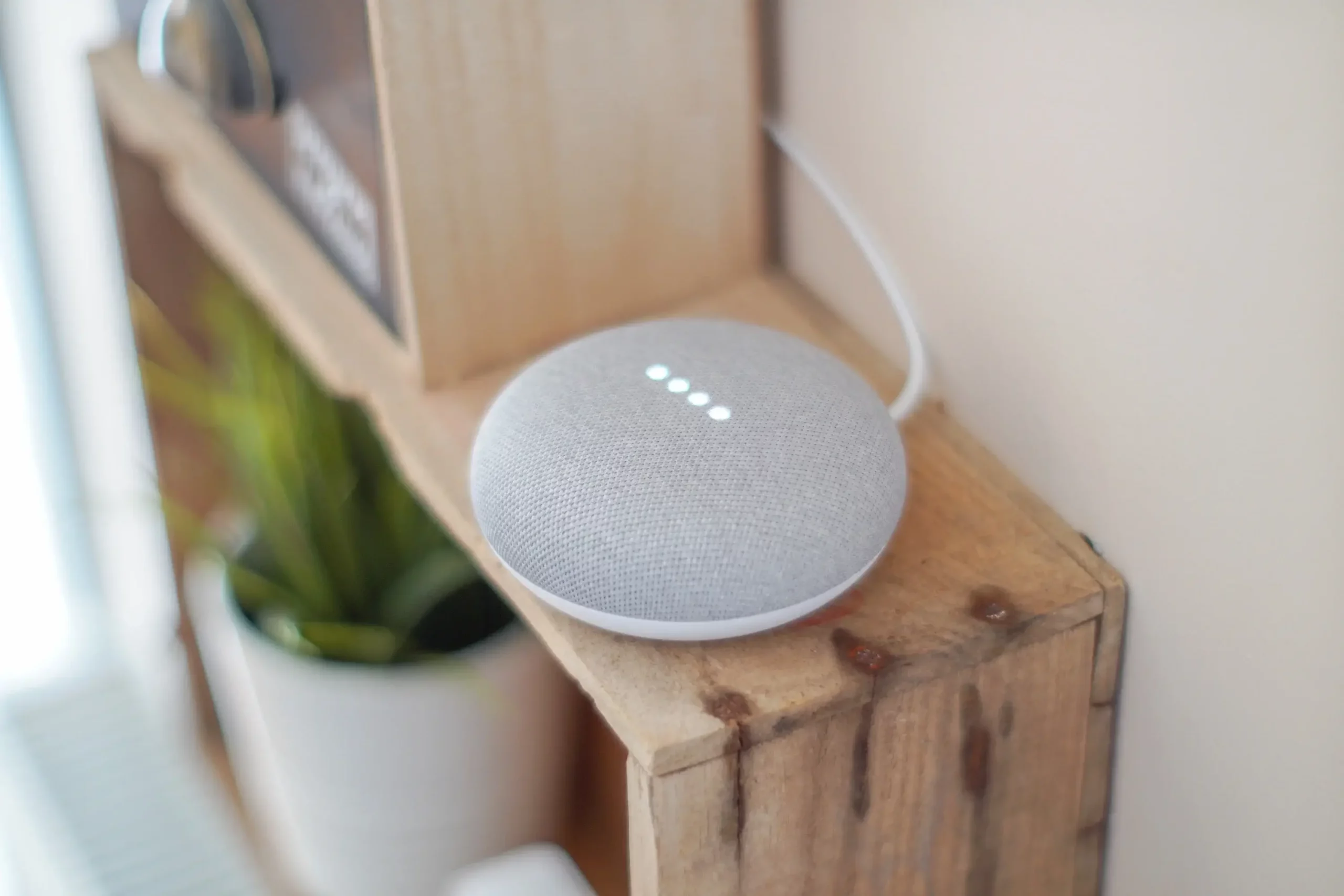
Smart home hardware sits on the same component supply chain as the rest of consumer electronics.
What Smart Home Hardware Actually Consists Of
Nearly every connected home product is built from the same six parts, and knowing them is what lets you have a useful conversation with a factory.
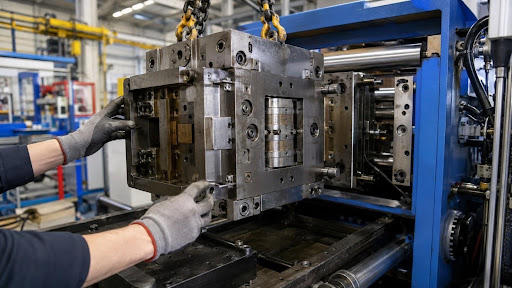
- Enclosure. Usually injection-moulded ABS or PC/ABS, occasionally with a soft-touch overmould. This is the part customers judge the product by, and it needs tooling, which is the largest single upfront cost.
- Main PCB. Carries the microcontroller, power regulation, and connectors. For most smart home hardware a four-layer board is sufficient; a compact or high-frequency design may need more.
- Radio module. Wi-Fi, Bluetooth, Thread, or Zigbee, usually as a pre-certified module rather than a discrete chip. Using a pre-certified module cuts a substantial amount off your own certification cost and time, and for a first product that trade-off is almost always worth it.
- Sensors. Whatever the product does: PIR for motion, temperature and humidity, image sensor for a camera, load or hall sensors for a lock.
- Power. Mains adapter, rechargeable lithium cell, or replaceable batteries. This choice affects certification, shipping, enclosure design, and product lifetime, and it should be settled early.
- Mechanics. Mounts, hinges, motors, and gearing for anything that moves, such as a lock or a valve.
What Smart Home Hardware Costs to Develop
The costs that surprise people are not the per-unit ones.
Tooling for an injection-moulded enclosure runs from a few thousand dollars for a simple aluminium tool to tens of thousands for a complex multi-cavity steel one. This is a one-time cost amortised across the run, which is why smart home hardware is expensive at low volume and cheap at high volume. Who owns the mould should be settled in writing before you pay for it; the article on tooling costs and ownership explains why that matters.
Certification is the item most often missing from a first budget. A connected device needs FCC certification for the US and CE with radio equipment conformity for the EU. A lithium battery needs UN38.3 to ship legally and IEC 62133 for the cell. Mains-powered products need UL or ETL listing. Matter certification, if you want ecosystem compatibility, sits on top. Together this is typically months of schedule and a five-figure sum.
Prototyping and sampling. Two or three rounds is normal before a design is right, and each round takes weeks. Compressing this is where expensive tooling changes come from.
Minimum order quantities. Most electronics factories want 1,000 to 5,000 units for a custom product, driven by component minimums and line setup rather than by the assembly itself. Some will go lower on a first order, and a sourcing partner with existing relationships can often negotiate below the published figure.
Where Smart Home Hardware Projects Go Wrong
Certification discovered late. A radio design finalised without a certification plan can require a board revision after tooling, which costs both the tool change and the retest. Plan certification alongside development, not after it.
Choosing a factory that has not built the product type. A factory that makes power banks is not equipped to make a camera. Ask what comparable products they have built and for the buyer’s name where they can share it.
Underestimating the software. Firmware, a cloud service, and an app have to exist and be maintained for years. The EU Cyber Resilience Act and the UK PSTI regime now require a disclosed support period, no default passwords, and a vulnerability reporting process for connected consumer products, which makes the software lifecycle a legal obligation rather than a choice.
Component obsolescence. A microcontroller or radio module that goes end-of-life mid-production forces a redesign. Specify parts with long lifecycle commitments and qualify a second source where the design allows.
Ignoring serviceability. A product glued shut cannot be repaired or refurbished, which matters for warranty cost and increasingly for EU right-to-repair expectations.
Choosing a Manufacturer for Smart Home Hardware
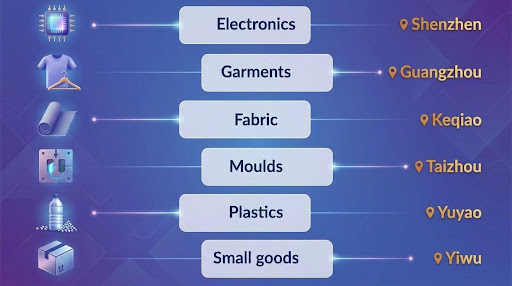
Nearly all smart home hardware is made in China, and the reason is concentration: the radio module supplier, the PCB assembler, the enclosure moulder, the battery supplier, and the final assembler can all sit within a few hours of each other, mostly around Shenzhen and the surrounding province. Building the same product elsewhere means importing most of those components anyway.
What to establish before placing work: whether the company is a factory or a trading company, what comparable products it has built, whether it holds current ISO 9001 and any product certifications it claims, what its real MOQ is for your product, and whether it can support certification or expects you to arrange it. Verify certificates with the issuing body rather than accepting a scan; forged certificates circulate in this industry.
Getting Smart Home Hardware Made
The sequence that works is: define the product against a real gap, design the electronics and enclosure together rather than sequentially, prototype and test, plan certification in parallel, tool, produce, and inspect before shipment. Each stage catches problems the next one would make expensive.
That is the sequence Intrepid Sourcing runs for clients through its electronics production package: PCB and product design, prototype development, certification support, and production with factories that have built comparable devices. The enclosure and moulded parts are covered by the plastics production package, and quality assurance covers inspection and testing before anything ships.