The smartwatch market has grown from a curiosity into one of the largest categories in consumer electronics, and it is now large enough that its growth rate has become a genuine question rather than an assumption. Global smartwatch shipments reached about 155 million units in 2025 (Counterpoint Research), and the market was worth roughly US$38.5 billion. That is a great deal of watches. It is also considerably fewer than the forecasts made a decade ago predicted, and the gap between those forecasts and the outcome is instructive for anyone planning a product in this category.
Several things have driven the smartwatch market. The devices have become more capable and easier to use, with GPS, heart rate monitoring, ECG, blood oxygen, sleep tracking, and voice control now standard at mid-range prices. They have also become better looking: most models now resemble watches rather than gadgets, which removed the main barrier for a large group of buyers. And health monitoring has moved from a fitness feature toward a medical one, with atrial fibrillation detection in peer-reviewed studies reaching 94.8% sensitivity and newer models adding hypertension notifications and sleep apnea detection.
An Overview of Smartwatch Market Shipments
Shipments grew steadily through the late 2010s, from 37 million units in 2016 to over 100 million by 2020, and the market’s expansion looked unstoppable. Then in 2024 the smartwatch market declined for the first time in its history, falling around 7% to 151.5 million units, with every segment except children’s watches shrinking.
2025 was a recovery. Shipments grew 4% to roughly 155 million units, ending five consecutive quarters of decline. Two things drove it: Apple returned to growth for the first time since 2022 on the back of a fully refreshed line, and Chinese demand surged under government subsidy programmes for electronics purchases. Counterpoint now projects the smartwatch market growing at a compound rate of about 3% a year through 2030, which is a very different picture from the double-digit growth of the late 2010s.
The lesson for anyone using market forecasts is worth stating: the widely cited 2016 projection had the smartwatch market reaching over 253 million units by 2025. The actual figure was around 155 million. Forecasts in growing consumer electronics categories tend to extrapolate early adoption curves past the point where they flatten, and a business plan built on one should carry a margin for that.
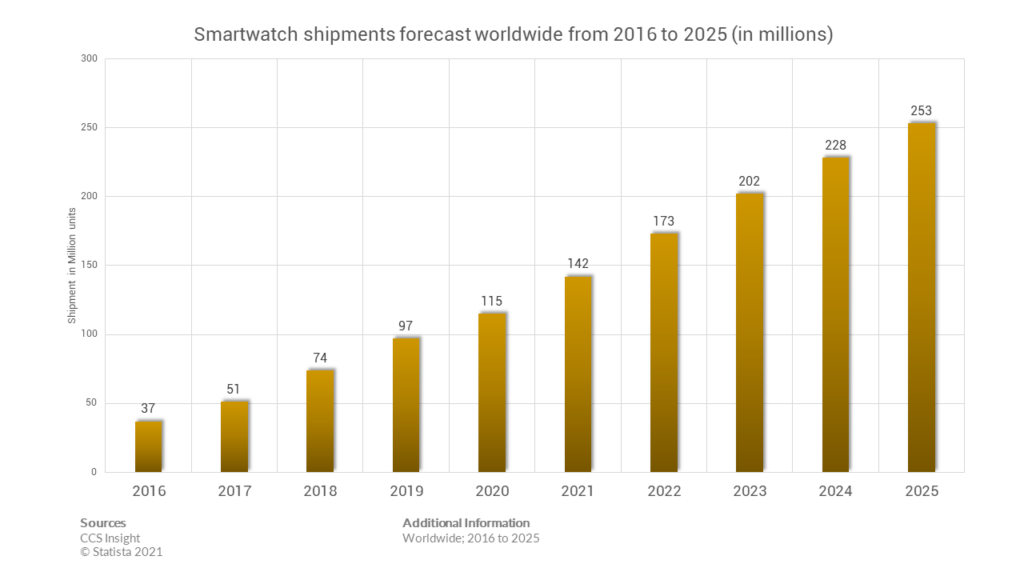
Smartwatch market shipments grew through the late 2010s, declined in 2024, and returned to growth in 2025.
Who Leads the Smartwatch Market
Apple remains the largest brand, at around 23% of global shipments in 2025, and its Watch is still the reference product for the category. Huawei follows at about 17%, having grown faster than any other top-five brand and briefly overtaking Apple in quarterly shipments during 2025, a first for the company. Xiaomi holds around 9%, and Samsung and the children’s-watch specialist Imoo each about 7%.
Below the major brands sits a large tier of smaller companies selling smartwatches and fitness bands designed in one country and manufactured in China, which is the route most new entrants take. Garmin’s position is worth noting as an alternative model: it competes at the premium end on specialist sports and outdoor features rather than on general-purpose smart functions, and its fitness segment revenue grew 33% in 2025 to US$2.36 billion.
China Is Now the Largest Smartwatch Market
China overtook North America in 2025 to become the world’s largest market for advanced smartwatches, with its share rising from around 25% in 2024 to roughly 31% in 2025. Government subsidies for consumer electronics purchases, Huawei’s ecosystem push, and a national health campaign promoting weight management and health monitoring all contributed. Chinese brands, led by Huawei, Xiaomi, and Imoo, dominate their home market in a way foreign brands have not managed to counter.
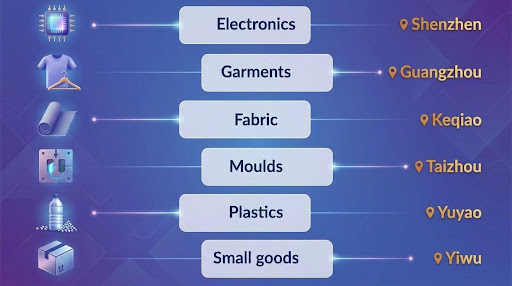
That matters beyond China, because the same manufacturing base that supplies Chinese brands supplies everyone else. Nearly all the world’s smartwatches are assembled in China, drawing on the same component supply chain, displays, batteries, sensors, and connectivity chips, that makes smartphones possible, which is why a new brand can bring a smartwatch to market at all.
Wrapping Up
The smartwatch market is large, growing again after a difficult 2024, and increasingly driven by health features and by Chinese demand. It is also maturing: growth of 3% a year is a different business from growth of 30%, and the categories that still grow fastest are premium health-focused devices and children’s watches rather than the general-purpose middle.
For a brand considering entering, the practical points are that the component supply chain is deep and available, that certification for a connected wearable is substantial, FCC, CE, battery testing under UN38.3 and IEC 62133, and any health claim brings regulatory obligations of its own, and that competing on general features against Apple and Huawei is difficult while competing on a specific use case is not. Developing a wearable from design through certification to production is what our electronics production package covers, and the consumer electronics industry report sets out the wider category.