
Jobs in China for foreigners still exist, but the picture has changed a great deal since the 2010s and the old assumption that a Western passport plus a degree guarantees work no longer holds. The market has narrowed in some areas and grown in others, the visa rules have tightened, and the competition from well-qualified Chinese graduates is far stronger than it was. This article covers where the opportunities actually are, particularly in trade and manufacturing, and what is required to take one.
Working in China gives international experience in a fast-moving environment, and dealing with a different business culture broadens anyone’s perspective. For someone intending a career in sourcing, manufacturing, or international trade, time in China is arguably the single most valuable thing on a CV.

Jobs in China: Where the Opportunities Are
English teaching was for decades the default entry route, and it has contracted sharply. The 2021 regulations banning for-profit tutoring in school subjects closed a large part of the private education sector, and the rules now require a degree, a recognised teaching qualification such as TEFL, and, for most positions, two years of experience. Teaching jobs in China still exist in international schools and licensed training centres, and they pay better than the old market did, but the volume of easy entry-level work is gone.
The sectors with real demand for foreigners now are those where a foreign perspective is the product: international sales and business development, marketing aimed at overseas customers, sourcing and supply chain, quality control and inspection, engineering and technical specialisms, and design. What these have in common is that a Chinese company needs someone who understands foreign customers, foreign standards, or foreign markets from the inside.
Jobs in China: Trade and Sourcing
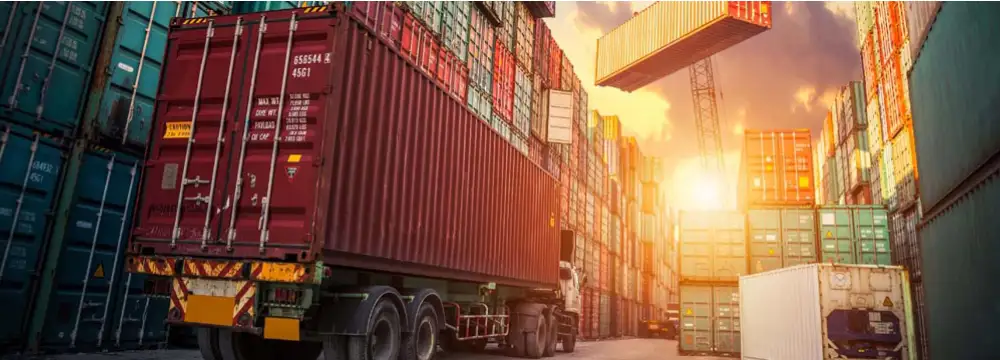
Trade is the sector where a foreigner’s advantage is clearest, which is why companies like Intrepid Sourcing exist. Jobs in China in this area relate to importing and exporting: sourcing, supplier management, quality control, logistics coordination, and account management for foreign clients. Demand for fluent English speakers is strong, because English remains the language of international business and a Chinese exporter without a capable English speaker loses orders.
The work divides into two kinds. Working for a Chinese company, usually in sales or export management, means being the bridge to foreign customers. Working for a foreign-owned company in China, in sourcing, QC, or operations, means being the client’s eyes on the ground, which is the role most of the sourcing industry is built on.
Jobs in China: Quality Control and Inspection
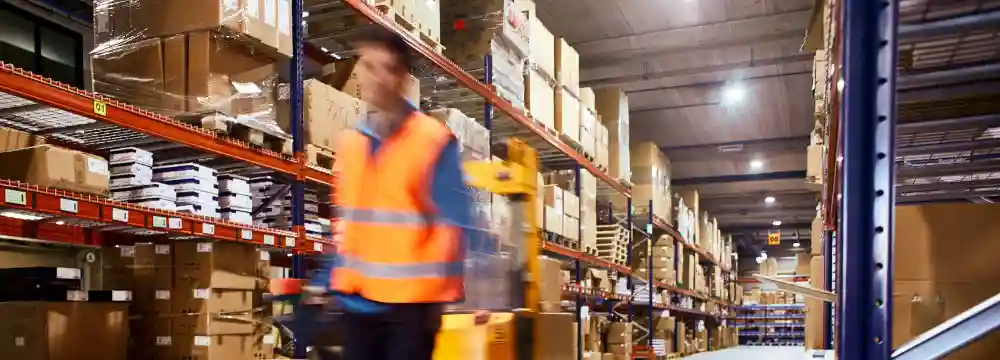
Quality control is an underrated route in. Foreign buyers need people who can inspect goods against a Western standard and report in English, and the work teaches the manufacturing base faster than almost any other job. Many people who now run sourcing businesses started as inspectors.
Starting a Business
Many foreigners in China work for themselves, filling the gap between Chinese factories and foreign buyers. Since the 2024 Negative List removed all restrictions on foreign investment in manufacturing, and the Foreign Investment Law of 2020 gave foreign-invested companies national treatment, setting up a wholly foreign-owned company is more straightforward than it was, though it still requires capital, registration, and ongoing compliance.

Visas and Requirements for Jobs in China
This is where most plans fail, and the rules are stricter than they were. Legal employment in jobs in China requires a Z visa, which becomes a residence permit after arrival, and it requires a work permit obtained by the employer before you travel. The work permit system grades applicants A, B, or C on a points basis covering qualifications, salary, age, experience, and Chinese language ability. Category A, high-level talent, is straightforward; category B, professionals, is the usual route and requires a bachelor’s degree and generally two years of relevant experience; category C is restricted by quota.
Two things to be clear about. Working on a tourist or business visa is illegal and carries fines, detention, and deportation, and enforcement is real. And an employer that suggests it is telling you what kind of employer it is.
What to Expect from Jobs in China
Salaries for skilled foreign professionals in trade and manufacturing are competitive with home-market equivalents once the cost of living is accounted for, though the gap has narrowed as Chinese salaries have risen. Packages often include housing allowance and flights. Mandarin is not always required to start, but it determines how far you progress: the foreigners with long careers in China almost all speak it.
The environment is demanding. Working hours are long by Western standards, the pace is fast, and business culture differs in ways that take time to learn, on hierarchy, indirect communication, and the importance of relationships. That adjustment is the main reason foreign hires do not last, and the ones who do adapt find the experience hard to replicate anywhere else.
For anyone building a career in sourcing or manufacturing, jobs in China remain the best available education in how products actually get made. If you would rather have that expertise on your side than acquire it yourself, that is what our product sourcing service provides.