The future of plastic injection molding is not a new process. Injection molding still works on the principle set out decades ago: melt resin, force it into a mould under pressure, cool, eject, repeat. What has changed is everything around that cycle, and the changes are substantial enough that a product designed today has options that did not exist five years ago.
What Injection Molding Is
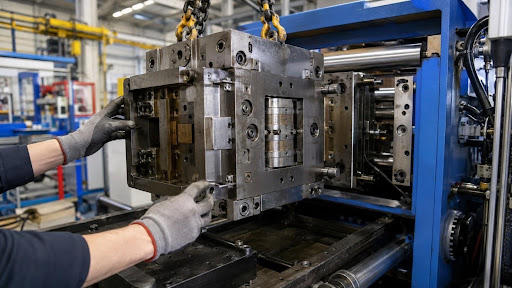
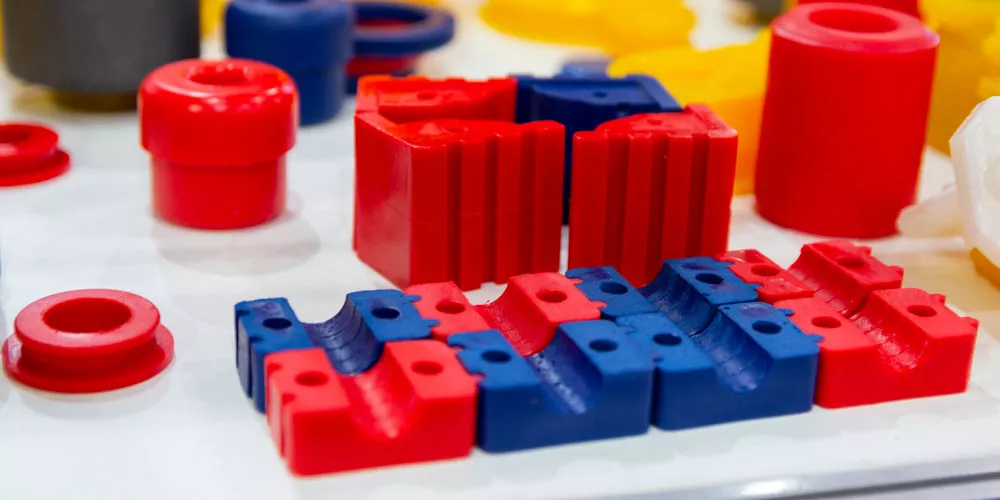
Resin pellets are fed into a heated barrel, melted, and injected under high pressure into a steel or aluminium mould. The plastic cools and solidifies, the mould opens, the part is ejected, and the cycle repeats, typically in seconds. It is the most widely used process for solid plastic parts because it produces fine detail, tight tolerances, and good surface finish at very low unit cost once the tooling is paid for.
That last clause is the whole economics of it. The mould is the major upfront cost, running from a few thousand dollars for simple aluminium tooling to tens of thousands for complex multi-cavity steel. Divide that across the production run and injection molding is cheap at volume and expensive at low quantities. The plastics manufacturing process guide covers where it sits among the alternatives.
The Future of Plastic Injection Molding: Materials
The most consequential change in the future of plastic injection molding is in what goes into the machine rather than the machine itself.
Recycled resins have moved from a compromise to a specification. EU packaging rules now mandate minimum recycled content in several categories, and recycled grades are available for most commodity resins at usable quality. In Europe, food-grade recycled PET now costs more than virgin, an inversion nobody predicted a decade ago.
Bio-based resins divide into drop-in replacements chemically identical to fossil versions, such as bio-polyethylene from sugarcane, and genuinely different materials like PLA. Drop-ins mould on existing equipment without process changes; the others need different settings and behave differently. The article on bioplastic costs covers the pricing.
Engineering and filled grades keep expanding, letting moulded parts replace metal in applications that would have needed machining, particularly in automotive and electronics where weight matters.
The Future of Plastic Injection Molding: Faster, Cheaper Tooling
Two changes shape the future of plastic injection molding here. Rapid and soft tooling, using aluminium or 3D-printed mould inserts, produces hundreds to a few thousand parts in the real process and the real material for a fraction of steel tooling cost. That has changed product development: a brand can validate a design in production conditions before committing to production tooling, which used to be a leap of faith.
Conformal cooling channels, made possible by metal 3D printing, follow the contour of the part rather than being drilled straight. Better cooling means shorter cycle times and less warping, and it is one of the few genuine improvements to the core process rather than to what surrounds it.
The Future of Plastic Injection Molding Is Monitored
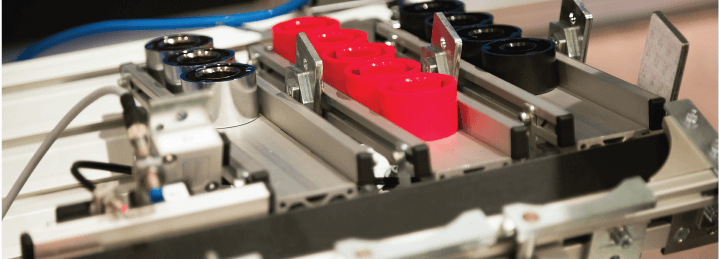
Modern cells point to where the future of plastic injection molding is heading: robotic part removal, in-line inspection, and sensors monitoring cavity pressure and temperature on every shot. That data is what makes consistent quality possible at volume: a process drifting out of specification is detected on the machine rather than in the inspection report a week later.
China installed 295,000 industrial robots in 2024, 54% of global installations (International Federation of Robotics), and moulding is one of the sectors where that shows up directly. For a buyer, the practical question to ask a factory is whether it monitors process data per shot and can show it. One that can is running a controlled process; one that cannot is relying on the operator.
The Future of Plastic Injection Molding Under Regulation
The future of plastic injection molding is being shaped by regulation as much as by engineering. Rules now drive design decisions as much as engineering is. Single-use restrictions, extended producer responsibility schemes, and recycled-content mandates all push toward mono-material design, parts made from one resin rather than several bonded together, because mixed-material assemblies are difficult to recycle.
That has a direct consequence at the design stage: a part that would once have combined a rigid frame with an overmoulded soft grip may now be better designed as a single material with mechanical texture, because the recyclability requirement outweighs the tactile benefit. Anyone designing a plastic product for the EU should be thinking about end-of-life before tooling is cut.
What the Future of Plastic Injection Molding Means for You
The future of plastic injection molding is favourable if you plan for it. Prototype and validate with soft tooling before committing to steel. Specify resin grade rather than just material type, and decide deliberately whether recycled content is required in your markets. Design for a single material where the application allows. And ask factories about process monitoring rather than just price, because the ones investing in it produce more consistent parts.
Selecting the right resin, process, and factory for a moulded product is what our injection molding service covers, from design and CAD through tooling to production, and the article on designing plastic parts covers the rules that make a part manufacturable in the first place.