The sports equipment industry has always attracted new businesses, and many first-time founders see sporting goods as their way into manufacturing. It is a good category to enter and a hard one to enter unprepared. This report covers the sports equipment industry as it stands in 2026, why China remains its production base, and the problems specific to sporting goods that a brand will meet setting up production without help.
Sports Equipment Industry Overview & Key Statistics
a. Sports & fitness equipment industry description
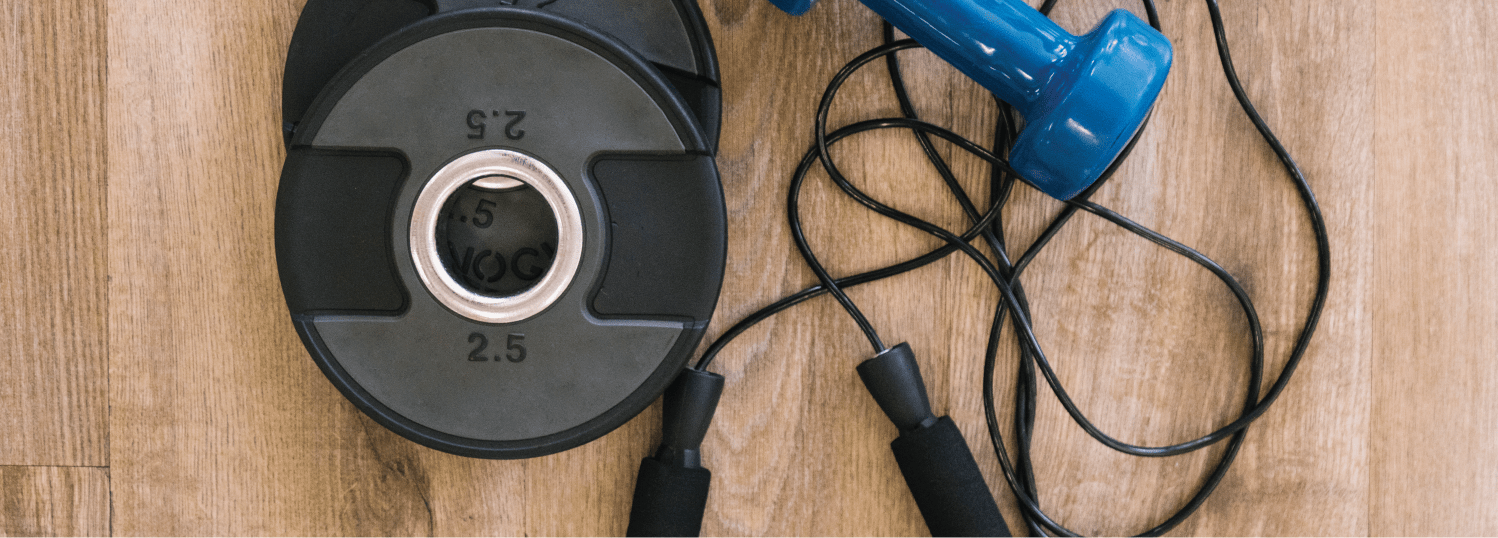
Sporting goods take many forms depending on the activity, and the sports equipment industry divides them into game equipment and player equipment. Game equipment is what a sport is played with: balls, goals, nets, rackets, bats, clubs, sticks, discs, and fishing tackle. Player equipment is what the player wears or trains with, in three groups: footwear; protective equipment such as helmets, pads, guards, gloves, and mouthguards for contact and motor sports; and training equipment, from weights, benches, and racks to exercise balls, resistance bands, and the connected home-fitness machines that have grown fastest since 2020.
China’s largest sporting goods manufacturers are among the biggest suppliers in the global fitness industry. They design, make, and sell white label and ODM products under their own and others’ brands, and produce custom OEM products for most of the well-known Western brands. The global sporting equipment market generated over US$180 billion in revenue in 2025 on Statista’s equipment-only measure; broader definitions that include sports apparel and footwear put the sporting goods market at US$400 billion to US$600 billion. The sports equipment industry is growing at around 6% to 7% a year, faster than most consumer categories.
b. Sports equipment industry production: China vs. other regions of the world
China is the largest producer and exporter in the sports equipment industry. Its sports goods exports reached US$28.16 billion in 2025, down 0.82% on the year (General Administration of Sport), with fitness equipment and treadmills the fastest-growing categories even as sportswear and footwear exports declined. Taiwan is the other major producer, particularly in bicycles, fitness machines, and golf equipment, and Vietnam, Indonesia, and Cambodia have taken a growing share of footwear and simpler goods. The United States remains the largest single market, and China’s own market, forecast to grow around 10% a year, is now among the largest in the world.
c. Commonly produced sports & fitness equipment in China
- Fitness equipment: treadmills, exercise bikes, rowers, and strength machines
- Free weights, kettlebells, benches, and racks
- Yoga mats, resistance bands, foam rollers, and accessories
- Balls for football, basketball, volleyball, and tennis
- Rackets, bats, clubs, and sticks
- Protective gear: helmets, pads, guards, and gloves
- Cycling components and e-bikes
- Outdoor and camping equipment
- Connected fitness devices and wearables
d. Year-on-year sports equipment industry growth
The sports equipment industry grew sharply in 2020 and 2021 as gyms closed and home fitness boomed, fell back in 2022 and 2023 as that demand normalized, and has grown steadily since at 6% to 7% a year. Growth is concentrated in fitness and strength equipment, in connected and smart equipment that integrates with apps, and in outdoor and cycling categories. Participation is the underlying driver: more people exercise, more of them exercise at home, and the number of health and fitness clubs worldwide grew around 4% in 2025.
Why China is the Right Choice for the Sports Equipment Industry
a. Sports & fitness equipment production capacity
China’s sports equipment industry is concentrated in clusters that cover every process a product needs. Fitness machines come from Shandong, Zhejiang, and Guangdong, where steel fabrication, motor manufacturing, electronics, and upholstery sit together. Balls and inflatables come from Jiangsu and Guangdong. Rackets, bats, and composite goods come from Fujian and Guangdong, alongside Taiwan. Yoga and accessories come from Jiangsu and Zhejiang. The depth of each cluster is what lets a factory turn a new design into a sample in weeks and into production in months, and what gives a brand a choice of suppliers at every price point.
b. Technological advantages in the sports & fitness equipment industry
Chinese sporting goods factories have adopted automation and advanced materials faster than most competitors. Robotic welding for fitness frames, automated ball lamination, composite layup for rackets and bikes, and injection molding for protective gear are standard in the larger factories. The connected-fitness category exists because China’s electronics supply chain, the same one that makes phones and wearables, can supply the sensors, displays, and connectivity a smart machine needs at consumer prices. China installed 295,000 industrial robots in 2024, 54% of the world’s total (IFR), and the sports equipment industry is one of the sectors that automation has reached.
c. Modern logistics infrastructure
The sports equipment industry ships everything from small, light accessories to treadmills that ship in crates weighing over 100 kilograms, and China’s port and logistics infrastructure handles both. The manufacturing clusters sit within a few hours of Shanghai, Ningbo, Shenzhen, and Qingdao, among the largest container ports in the world, and the freight-forwarding and consolidation services around them are built for mixed shipments of bulky goods. That infrastructure is what makes a container of assorted fitness equipment arrive on schedule.
Potential Problems in China’s Sports Equipment Industry
a. Time problems in the sports & fitness equipment industry
Sporting goods are seasonal, and a product that misses the season has lost its year. Lead times in the sports equipment industry stretch when a product needs multiple sample rounds, when steel or component prices move and suppliers re-quote, and around the Chinese New Year shutdown. Fitness equipment adds certification time: any powered machine needs electrical safety testing, and any connected one needs FCC and CE radio certification, which has to be planned in from the start rather than discovered at the end.
b. Quality problems in the sports & fitness equipment industry
Quality failures in sporting goods carry a safety consequence, which makes them more expensive than in most categories. A treadmill motor that fails, a weight bench that buckles, a helmet that does not meet impact standards, or a resistance band that snaps produces an injury, a recall, and a liability claim. Specifications for load rating, material grade, weld quality, and impact performance have to be written down and tested for, because a sample that looks right tells you nothing about whether it will hold 150 kilograms ten thousand times.
c. Cost problems in the sports & fitness equipment industry
Steel is the largest cost in fitness equipment, and steel prices move; a quote given at one steel price is not valid at another. Composite and rubber goods depend on oil-derived materials with the same problem. Shipping is a larger share of landed cost for sporting goods than for most categories, because the products are bulky, and US tariffs have made assembly location a pricing decision for US-bound goods (see the tariff note below). Buyers who do not understand where the cost sits in their product cannot judge a quote or catch a supplier who has quietly reduced the steel gauge to hold a price.
d. Planning problems in the sports & fitness equipment industry
In the sports equipment industry a fitness machine is an assembly of frame, mechanism, motor, electronics, upholstery, and packaging, often from different suppliers, and coordinating them is a planning task in its own right. Certification schedules, seasonal deadlines, and the sample rounds that a mechanical product needs all have to converge, and a brand without a plan for each of them discovers the gap at the production date.
e. Risks in the sports & fitness equipment industry
The general risks of contracting with a Chinese factory without local presence, no transparency, no enforcement, and exposure to a supplier who cannot deliver, apply in the sports equipment industry as everywhere. The specific risk is liability: a sporting goods product that injures a user exposes the brand, and the brand’s protection is documented testing to the relevant standard, product liability insurance, and a supplier contract that allocates responsibility. Design copying is the other: a successful fitness accessory will be on Temu within months, and design registration and a contract with exclusivity terms are the practical defenses.
Our Recommendations for China’s Sports Equipment Industry
a. For reducing time required in the sports & fitness equipment industry
Intrepid Sourcing plans a sports equipment industry program from the season backward, with sampling, certification, and production scheduled to meet it and the Chinese New Year shutdown built in. We work with factories in the relevant cluster that have made the product before and have the capacity for your order.
b. For ensuring quality in the sports & fitness equipment industry
In the sports equipment industry we specify the load ratings, material grades, and performance standards your product must meet, in writing, and we test for them: structural and fatigue testing for fitness equipment, impact testing for protective gear, and electrical safety and radio certification for anything powered or connected. Our quality assurance covers in-line inspection and pre-shipment testing so what ships matches what was approved.
c. For reducing cost in the sports & fitness equipment industry
We quote with steel, components, labor, and packaging broken out, so you can judge a re-quote when material prices move, and we help you compare suppliers on the full specification rather than the headline price. We plan assembly location around your target markets so that tariff exposure is decided rather than discovered.
d. For planning in the sports & fitness equipment industry
We manage a sports equipment industry product as an assembly, coordinating frame, mechanism, electronics, and packaging suppliers to one schedule, with certification running alongside development rather than after it.
e. For minimizing risk in the sports & fitness equipment industry
We verify factories before placing work, contract under the local law of the manufacturing location with terms covering liability, exclusivity, and design protection, and confirm every certification with the issuing body. If you are developing a sports or fitness product, the place to start is our private label package for products built on an existing design, or our product sourcing service for a custom one. The samples phase starts at $497. We have offices in Hong Kong and the manufacturing regions, and many of these products are also made in Vietnam, Indonesia and Bangladesh.
US tariff note (as of 23 October 2026)
A Section 301 forced-labor tariff took effect on 24 July 2026: 12.5% on Vietnam, and 10% on Bangladesh, Indonesia, India, Cambodia and Pakistan. It excludes articles covered by Section 232, so the two do not stack. Verify current rates before ordering.
Last reviewed: October 2026
Sources
- General Administration of Sport (China): https://www.sport.gov.cn/
- International Federation of Robotics: https://ifr.org/
- Office of the US Trade Representative: https://ustr.gov/