On this page
- A sample request should identify the result you are buying
- Separate development from making the pieces
- Agree who pays when the first result needs work
- Keep tooling ownership separate from the invoice
- Record credits without treating them as guaranteed savings
- Budget for arrival and approval
- Send one brief before comparing each sample quote
A sample request should make clear what the fee buys before you pay. A complete sample quote should tell you which product samples will be made, what work is included and what could cost extra. Two factories can price the same prototype sample differently because they are proposing different development work.
A sample request should identify the result you are buying
We first ask what the product samples must prove. Are you checking appearance, fit, function or the ability to reproduce the item using production materials? Those goals can require different methods and different levels of preparation.
A stock sample may show general workmanship without proving anything about your custom design. A prototype sample may test a new shape or mechanism without using the final material. Our 3D printing design tips explain why the method matters when interpreting a prototype.
Tooled product samples come from a production-tool trial, while a pre-production sample should represent the agreed materials and process. Trial names such as T0 and T1 can vary between factories. Ask what each trial in the sample request includes instead of assuming the name defines the scope.
An approved reference, often called a golden sample, does not necessarily mean another sample request. You may approve an existing pre-production sample for that purpose. What matters is that the reference and its specification are clearly identified.
Separate development from making the pieces
One factory may include drawing work, material sourcing and machine setup in its quote for product samples. Another may quote only for making the prototype sample after those tasks are complete. We request an itemized breakdown before deciding which offer is better value.
- Development: Drawings, patterns or engineering work included before sampling starts.
- Sample production: The quantity, materials and manufacturing method for the supplied product samples.
- Setup and material purchases: Charges required to prepare machines or obtain the agreed materials for the sample request.
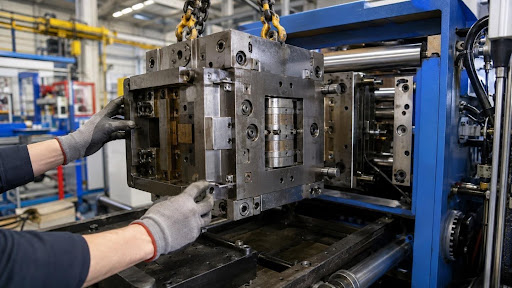
- Tooling: Molds, dies, fixtures or printing plates included in the work.
- Reviews and revisions: What changes to the prototype sample are included and what triggers another charge.
- Delivery and testing: Courier costs for product samples, laboratory work and any charges left outside the offer.
Each item in the sample quote should state whether it is included, separately priced or not yet confirmed. A blank line is not an agreement that the work is free. We resolve uncertain scope before asking our factories to start.
Agree who pays when the first result needs work
A buyer changing the design is different from a prototype sample missing the agreed specification. Put that distinction into the sample request and approval terms. Otherwise, a discussion about correcting an error can become a disagreement over a paid revision.
Ask how comments will be recorded and when the factory will confirm the cost and timing of changes. We combine feedback on the product samples into one clear review rather than send conflicting instructions through several people. Photos and measurements should point to the specification being checked.
Do not approve appearance alone when the prototype sample is meant to prove function. Record which tests or checks remain outstanding. If the development method cannot represent a production feature, agree when that feature will be evaluated.
Keep tooling ownership separate from the invoice
Paying a tooling charge does not by itself settle ownership, storage or transfer rights. Those points belong in the written agreement. Our article on tooling ownership explains the questions to resolve.
Ask what happens to unused material purchased for development. It may be allocated to production, retained for revisions or charged entirely to the sample request. We want that treatment written into each sample quote before comparing the cash required by different offers.
Record credits without treating them as guaranteed savings
Some factories deduct an agreed fee for product samples from a later production invoice. Others tie tooling credits to a particular order value or volume. The original sample quote should state the amount, qualifying order and any deadline.
Keep the amount due now for the prototype sample separate from a possible future credit. If the production order never happens, you may not receive that credit. A deduction from a future invoice is also different from a cash refund.
Minimums depend on the product and must be confirmed in the sample request. Our article on minimum order quantity and cost explains why the production commitment matters. Do not judge the development fee without reading those conditions.
Budget for arrival and approval
Courier charges, import charges and testing can sit outside the sample quote. Product samples can still be subject to duty, tax and clearance fees.
Time also belongs in the decision. Ask when the factory can start, when evidence will be ready for review and how long a revision would take. An inexpensive prototype sample that cannot answer your approval questions does not complete the development stage.
Send one brief before comparing each sample quote
Use the same drawings, material requirements and acceptance checks for each sample request. Our explanation of what manufacturers need before quoting can help prepare that brief. We pause payment if the factory cannot identify the deliverable, revision terms or production method.
Our plastics production package coordinates development, tooling and prototype sample reviews with our factories before production approval.
Enjoying this guide?
Practical manufacturing guidance for product brands. Factory selection, costs, quality and protecting your designs.