
The best plastic business ideas for beginners are products with steady demand that a factory can make for you. You do not need your own molding machines. You need a good design, the right material and a reliable manufacturer.
This guide lists ten plastic business ideas suited to brands selling in the US and UK, the process behind each one, and what to check before you invest in tooling.
Before You Choose: How Plastic Products Get Made
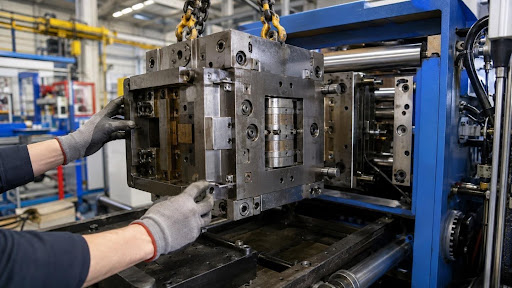
Before comparing plastic business ideas, it helps to know how the products are made. Most plastic products come from one of a few processes. Injection molding makes solid parts such as containers, housings and toys. Blow molding makes bottles. Rotational molding makes large hollow items such as tanks. Extrusion makes film, sheet and tubing.
Each process needs a mold or die, and that tooling is usually the largest upfront cost. Our guide to the plastics manufacturing process explains each one in more detail.

10 Plastic Business Ideas for Beginners
1. Reusable Food Storage Containers
Reusable containers sell year round, through retail and online. They are usually injection molded in polypropylene. Anything that touches food must use food-contact materials that meet the rules in each market you sell into.
2. Bottles for Beauty and Personal Care Brands
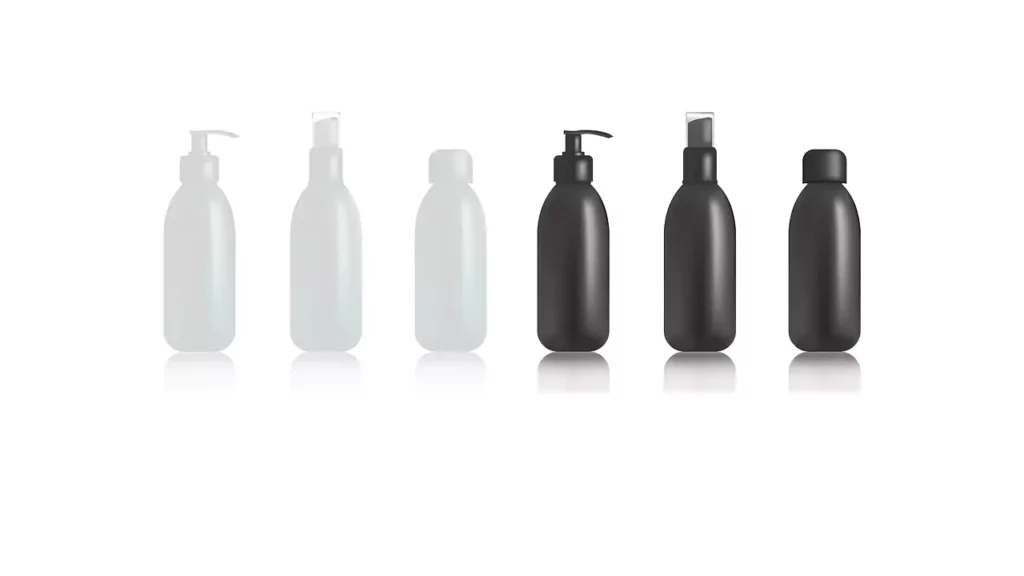
Skincare, haircare and wellness brands all need bottles and jars. PET and HDPE bottles are made by blow molding. A custom bottle shape helps a brand stand out on the shelf.
3. Pet Products
Bowls, feeders, litter scoops and toys are popular injection molded products. Durability matters, and bowls need food-safe materials.
4. Storage and Organisation Products
Bins, drawer organisers and stackable boxes sell well online. Larger parts need larger molds, so check tooling costs early.
5. Garden Planters and Pots
Planters can be injection molded or, for larger sizes, rotationally molded. Outdoor products need a UV-stabilised material so they do not fade or crack in sunlight.
6. Phone and Device Accessories
Stands, mounts, cases and cable organisers are fast-moving products. Cases are often made from TPU or polycarbonate, and soft-touch grips can be overmolded onto a rigid part.
7. Kitchen Tools
Spatulas, measuring cups and utensils need heat-resistant, food-contact plastics such as nylon or polypropylene. Check the heat rating against how the tool will be used.
8. Protective Packaging for E-commerce
Bubble wrap, padded mailers and air pillows are used by most online sellers. They are made by extrusion. In the UK, plastic packaging with less than 30% recycled plastic is subject to the Plastic Packaging Tax, so recycled content affects your costs. The tax applies to UK manufacturers and importers once they reach 10 tonnes of plastic packaging in 12 months.
9. Water and Storage Tanks
Tanks are rotationally molded from polyethylene. Demand is steady, but tanks are bulky to ship, so they suit sellers who can produce or warehouse close to their customers.
10. Enclosures for Electronic Products
Every electronic device needs a housing, usually injection molded in ABS or polycarbonate. Our guide to the strongest plastic for injection molding explains how to choose between them.
Plastic Business Ideas to Avoid
Some plastic business ideas that once looked easy are now restricted. In England, single-use plastic straws, stirrers and cotton buds were restricted in 2020, and single-use plastic plates, trays, bowls, cutlery, balloon sticks and certain polystyrene cups and food containers were banned from October 2023, according to the UK government. The EU has similar restrictions on single-use plastics.
Plastic straws, cutlery and plates, and polystyrene cups and food containers, are therefore poor choices for a new brand selling in the UK or EU. Other disposable cups and thin carrier bags face charges or reduction targets. Check the rules in each market before you commit to a product.
How to Start a Plastic Product Business
- Validate demand. Test your plastic business ideas against what already sells and at what price before you design anything.
- Design for manufacturing. Simple parts with even wall thickness are cheaper to tool and mold. Our article on designing plastic parts covers the main rules.
- Choose the material. Match the resin to strength, heat, food-contact and outdoor requirements. Our guide to raw materials for plastic explains the main families.
- Prototype first. A 3D-printed prototype costs far less than a mold and catches design problems early.
- Plan the tooling and minimums. Confirm the mold cost, who owns the mold and the factory’s minimum order quantity before you pay a deposit.
Final Thoughts
The best plastic business ideas combine steady demand, a simple design and a material that suits the job. Start small, prototype early and work with a factory that has made similar products before.
Our plastics production package takes a plastic product from design and prototyping through tooling and production.